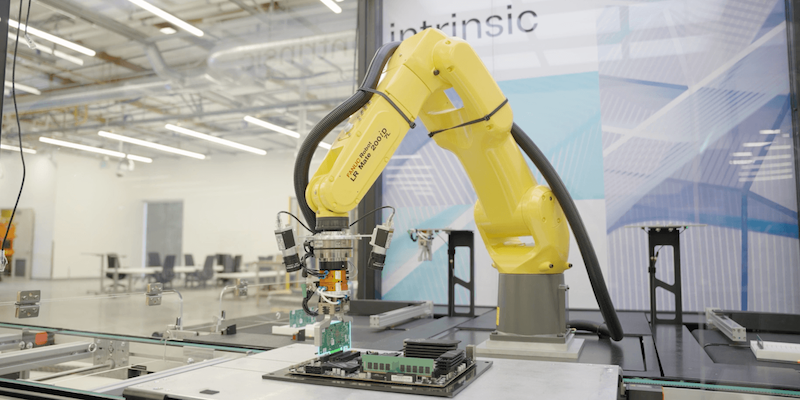
For decades, industrial automation has largely followed the same formula. Production lines have become faster, robots have become more capable, and software has steadily improved, but the underlying model has remained relatively fixed: automation systems are engineered for specific tasks, making flexibility expensive and time-consuming. That model is increasingly being challenged. Manufacturers today are under […]
Source: Robotics & Automation News — read the full report at the original publisher.