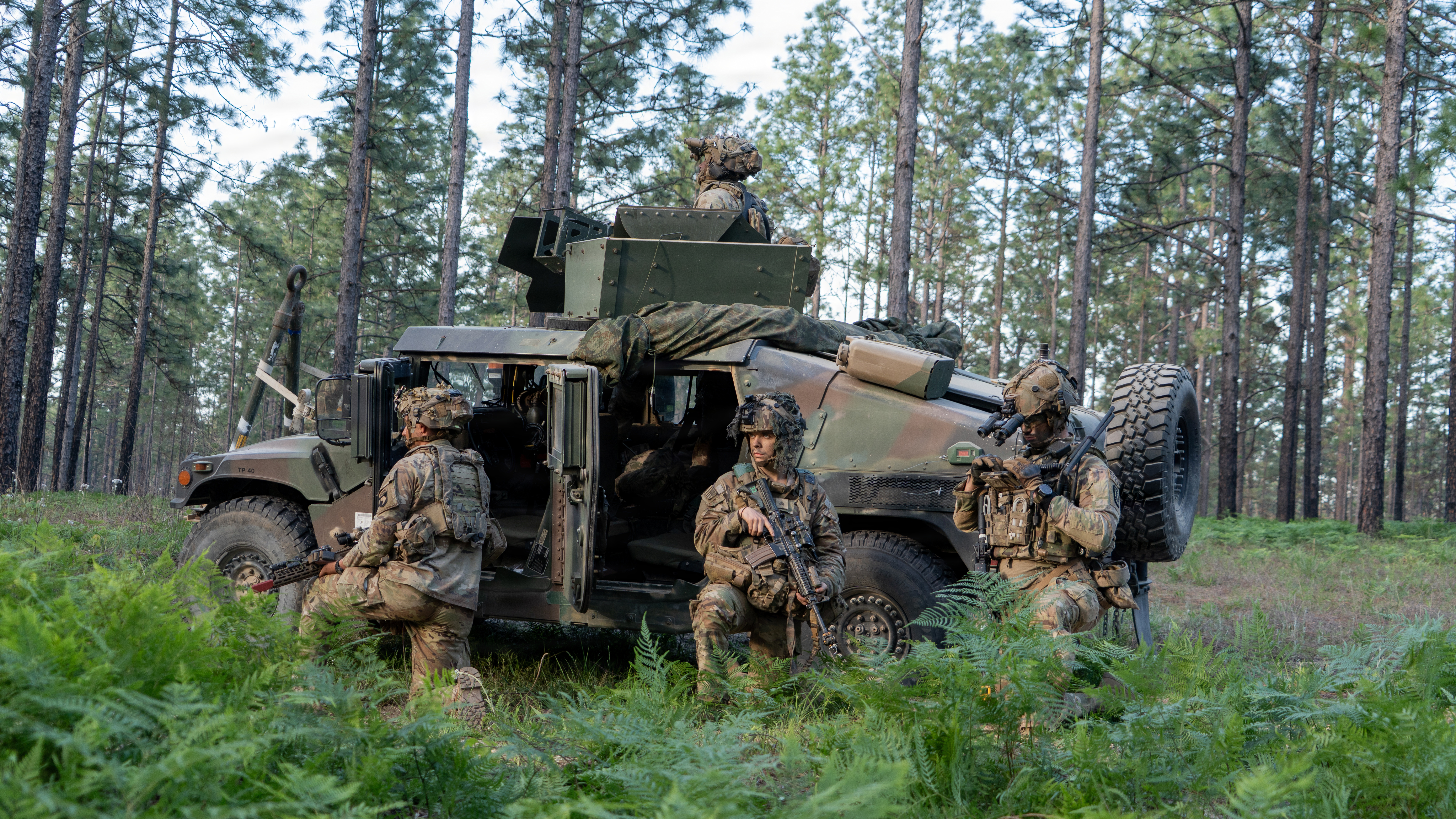
The Army should treat drones like ammo, one officer said, estimating a brigade needs between 1,000 to 1,500 drones per week in sustained combat operations.
The ongoing conflict in Ukraine and other global hotspots are demonstrating the critical utility of expendable drones for a wide array of battlefield tasks, pushing military doctrine to adapt rapidly.
This highlights the rapid integration of low-cost, high-impact drone capabilities into conventional warfare, emphasizing a fundamental shift in military logistics and operational planning.
Military forces are increasingly viewing and procuring drones as consumable ordnance, leading to significant changes in procurement, training, and tactical employment.
- · Drone manufacturers
- · Military forces adopting new doctrines
- · Software-defined defense companies
- · Traditional heavy armor manufacturers
- · Forces relying solely on legacy systems
- · Conventional logistics chains
Armies will increase spending on easily deployable, mass-produced drones for diverse applications beyond reconnaissance.
The drone supply chain will become a critical strategic asset, resembling an arms race for drone production and counter-drone systems.
Future conflicts will likely feature swarm tactics and autonomous drone operations as a primary means of breaching defenses and reducing human risk.
This signal links to a primary source. Continuum Brief monitors and indexes it as part of the live intelligence stream — we do not republish source content.
Read at Defense News