16-year-old SATA II SSD survives 1 petabyte of writes — 25x more than the drive's endurance rating
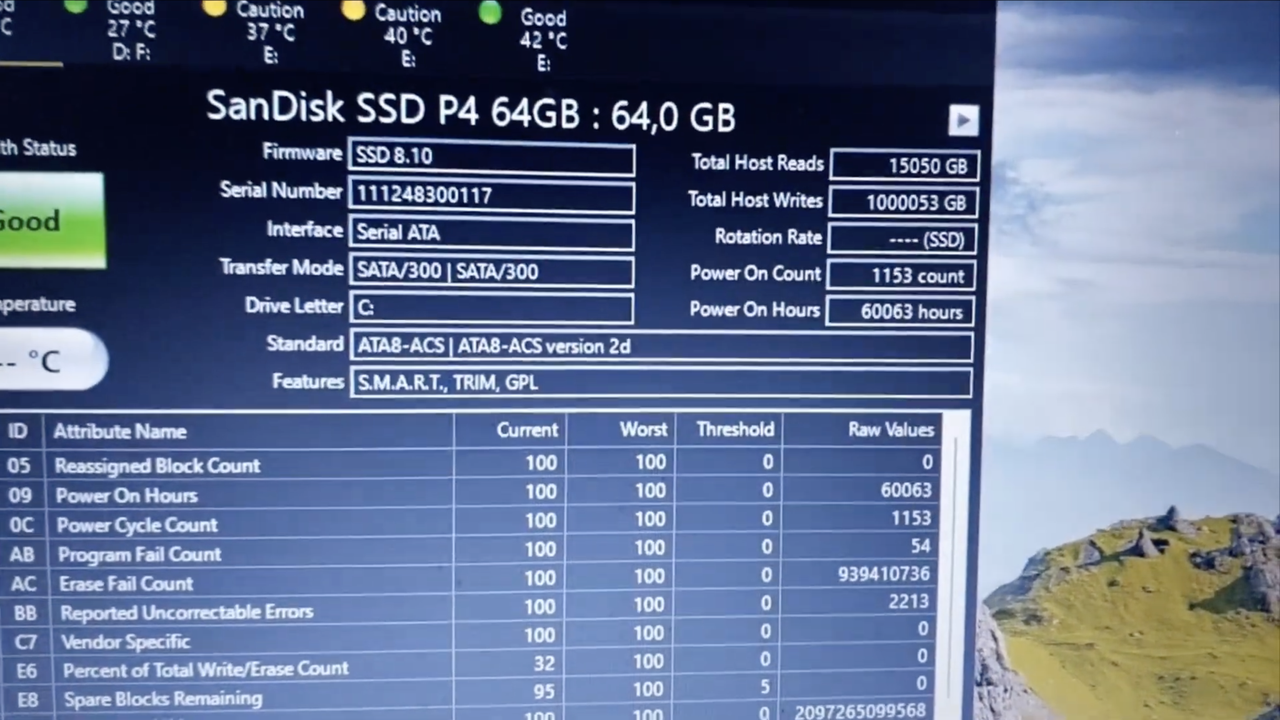
As part of an experiment, an enthusiast has written one petabyte of data on a legacy Sandisk P4 SATA II SSD that was released 16 years ago.
The continuous testing of legacy hardware, particularly storage components, frequently uncovers real-world performance metrics that exceed manufacturer specifications, aligning with a broader trend of critical infrastructure longevity.
This data point challenges assumptions about the practical lifespan and endurance of SSDs, potentially influencing storage upgrade cycles, data center design, and the perceived obsolescence of older technology.
The understanding of SSD endurance is updated from theoretical specifications to demonstrated real-world longevity, suggesting that older hardware might be more resilient than commonly believed.
- · Legacy hardware owners
- · Organizations on tight IT budgets
- · Data archival services
- · New SSD manufacturers (slightly)
- · Frequent PC upgrade cycles
Enterprise and consumer confidence in long-term data storage on SSDs increases, potentially extending their useful life in various applications.
This could lead to slower refresh cycles for storage components in some non-performance-critical applications, impacting sales of new drives.
The extended lifespan of SSDs might influence electronic waste considerations and resource allocation for new manufacturing versus prolonging existing hardware.
This signal links to a primary source. Continuum Brief monitors and indexes it as part of the live intelligence stream — we do not republish source content.
Read at Tom's Hardware