2028 BMW iX5 Hydrogen: Why BMW Won't Give Up On A Technology Stuck In Neutral
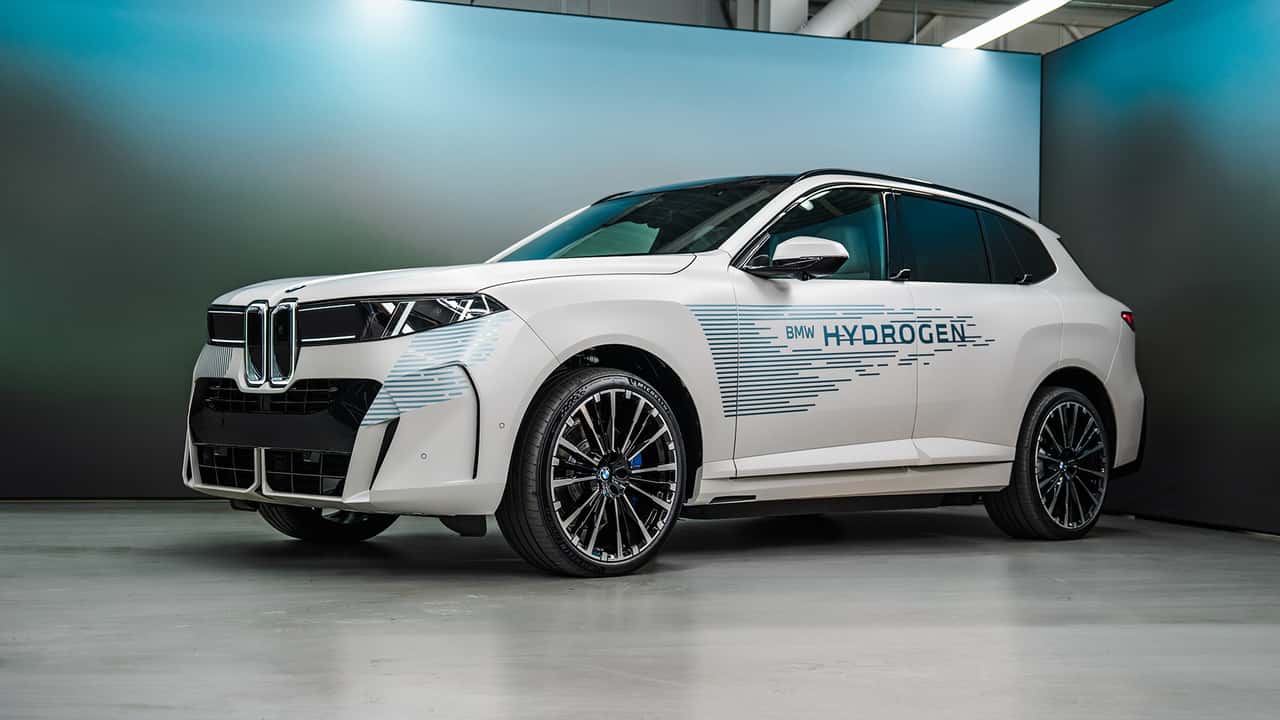
Long driving range and rapid refueling times aren't the only reasons BMW sees potential in the hydrogen-powered X5.
Amidst global pushes for decarbonization, BMW's continued commitment to hydrogen as an alternative fuel source for vehicles, even while electric vehicles dominate the discourse, highlights ongoing diversification strategies for future mobility.
This indicates that despite the current focus on battery electric vehicles, major automotive players are still investing in and validating hydrogen fuel cell technology as a viable long-term solution for certain use cases, which could impact future infrastructure and energy investments.
The perception of hydrogen's role in future mobility is reinforced, suggesting it may not be entirely superseded by battery electric vehicles, particularly for segments requiring long range and fast refueling.
- · BMW
- · Hydrogen infrastructure developers
- · Fuel cell technology manufacturers
- · Heavy-duty transport sector
- · Exclusive battery-electric vehicle proponents
- · Lithium-ion battery producers in certain segments
Increased research and development into hydrogen production, storage, and distribution will likely follow from sustained automaker interest.
A bifurcated or multi-energy path for transportation could emerge, with hydrogen gaining traction for specific applications like long-haul trucking or premium vehicles.
Geopolitical competition over hydrogen production and supply chain dominance could intensify, mirroring current dynamics in oil and gas.
This signal links to a primary source. Continuum Brief monitors and indexes it as part of the live intelligence stream — we do not republish source content.
Read at InsideEVs