$383 million port and freight infrastructure grant to create 22,000 clean jobs
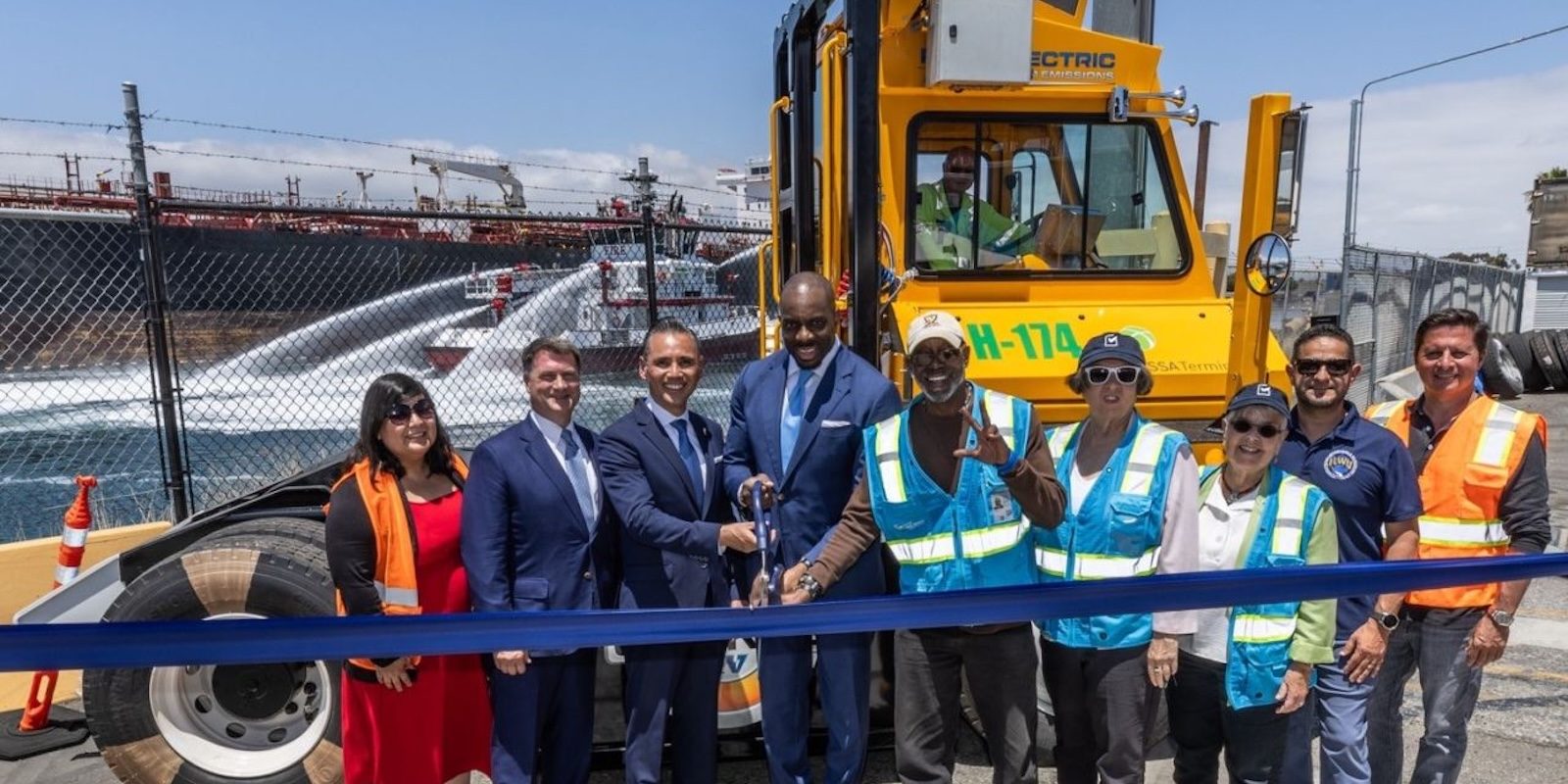
A ceremony held at the Port of Long Beach saw a record-setting $383 million grant from the state’s Port and Freight Infrastructure Program (PFIP) issued to support 22,000 clean jobs, reduce port and freight emissions, and build up a more modern, more sustainable supply chain at one of America’s busiest ports.
This grant reflects growing political will and readily available public funding to modernize critical infrastructure, particularly ports, under the dual imperatives of economic efficiency and environmental sustainability.
A strategic reader should care as this significant investment in port automation and 'clean' technologies will accelerate the transformation of global supply chains and regional economies, setting new standards for industrial infrastructure.
The Port of Long Beach will become a testbed for advanced, automated, and sustainable freight logistics, demonstrating a scalable model for other major ports and influencing future infrastructure investment priorities.
- · Port of Long Beach
- · California state government
- · Automation technology providers
- · Green energy companies
- · Legacy freight and port operations resistant to automation
- · Regions failing to invest in similar infrastructure upgrades
- · High-emission transportation sectors
The grant directly funds infrastructure upgrades and automation at the Port of Long Beach, aiming to reduce emissions and improve efficiency.
Increased automation and green technologies at the port will likely lead to a more resilient and efficient supply chain, potentially reducing shipping costs and delays across the region.
The success of this project could spur a national trend of public and private investment in advanced, clean port infrastructure, attracting new industries and setting new benchmarks for international trade logistics.
This signal links to a primary source. Continuum Brief monitors and indexes it as part of the live intelligence stream — we do not republish source content.
Read at Electrek