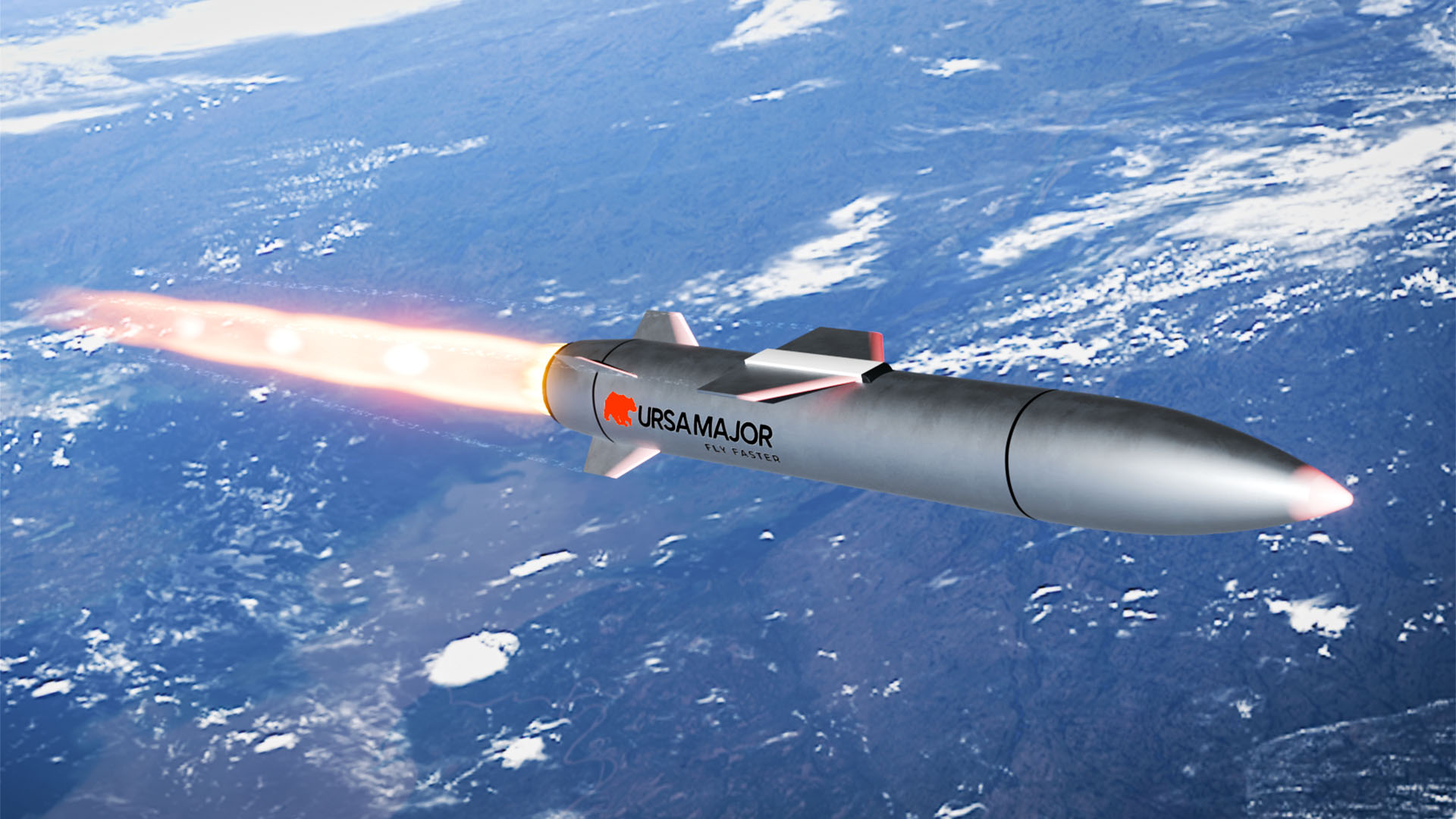
Branded Content: 250 years since America’s founding, Ursa Major’s new approach to solid rocket motors and hypersonics supports the next era of U.S. defense innovation. The post 3D-Printing Engines To Power Hypersonic Weapons Is Fast Becoming A Reality appeared first on TWZ .
Advances in additive manufacturing have matured to a point where complex aerospace components, like rocket engines, can be reliably and affordably produced, meeting the demands of modern defense programs.
This development indicates a significant leap in the manufacturability and cost-effectiveness of critical components for hypersonic weapons, impacting national security and defense spending.
The barrier to entry for producing advanced propulsion systems for hypersonic weapons is lowered, potentially accelerating their development and deployment by various actors.
- · Additive manufacturing companies
- · Defense contractors specializing in hypersonics
- · US Defense Industrial Base
- · Nations investing in advanced manufacturing
- · Traditional rocket engine manufacturers
- · Nations without advanced additive manufacturing capabilities
- · Conventional air defense systems
The expedited production of hypersonic weapons allows for more rapid integration into national defense strategies.
An increase in the proliferation of hypersonic weapon technology amongst advanced militaries could lead to a new arms race and shift geopolitical power dynamics.
The widespread adoption of 3D-printed engines could eventually trickle down into commercial aerospace, revolutionizing propulsion system design and production for civilian applications.
This signal links to a primary source. Continuum Brief monitors and indexes it as part of the live intelligence stream — we do not republish source content.
Read at The War Zone