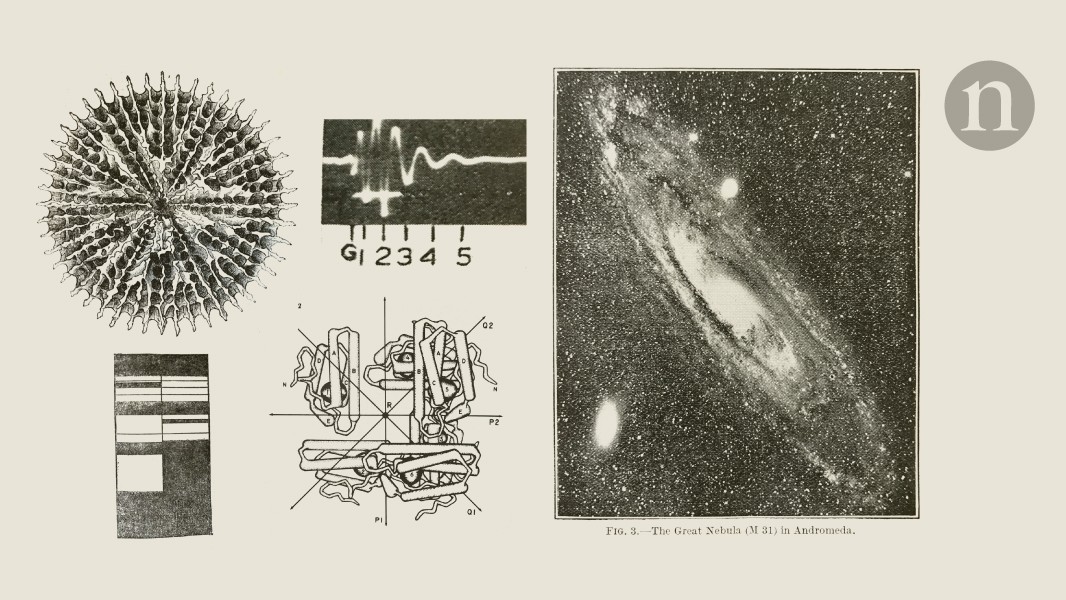
Nature, Published online: 23 June 2026; doi:10.1038/d41586-026-01812-1 The scientific community awaits a patent for recombinant DNA technology, and experimentation with an anaesthetic from puffballs, in our weekly dip into Nature’s archive.
The article highlights research from 2026 looking back at foundational biotechnology patents, indicating a significant historical inflection point being re-evaluated in the present. This retrospective analysis emphasizes the enduring impact of past innovations on current and future bio-tech developments.
This emphasizes the foundational role of early intellectual property in shaping entire industries and the long-term economic and scientific impact of biotechnology. A strategic reader needs to understand the historical roots of current technological paradigms.
It reinforces the understanding of how foundational intellectual property like recombinant DNA technology established a new technological platform and economic sector. This historical perspective allows for a deeper appreciation of synthetic biology's trajectory.
- · Biotechnology companies
- · Pharmaceutical industry
- · Academic researchers
- · Patent holders
- · Companies unable to adapt to new biotech platforms
- · Traditional chemical synthesis methods
The patent enabled the rapid development and commercialization of new therapeutics and agricultural products.
It spurred the growth of a multi-trillion dollar bio-economy, diversifying economic output beyond traditional industries.
This foundational technology lays the groundwork for advanced synthetic biology applications, enabling programmable biological systems across various sectors.
This signal links to a primary source. Continuum Brief monitors and indexes it as part of the live intelligence stream — we do not republish source content.
Read at Nature — Latest Research