A Massively Parallel GPU Rasterizer for Next-generation Computational Lithography
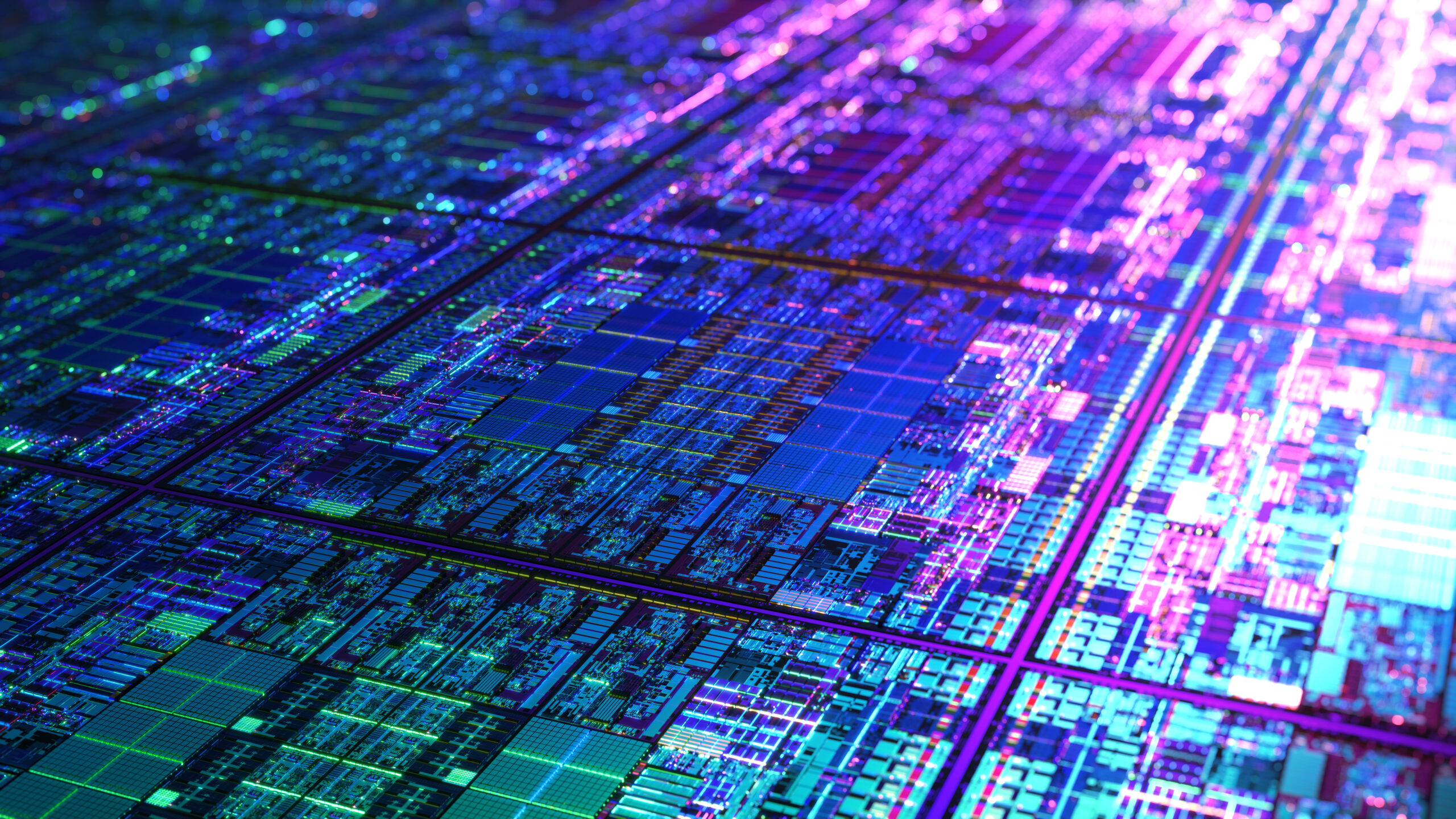
Accelerate computational lithography with GPU rasterization. The post A Massively Parallel GPU Rasterizer for Next-generation Computational Lithography appeared first on Semiconductor Engineering .
The increasing complexity and miniaturization in semiconductor manufacturing necessitate more powerful computational lithography solutions, pushing the adoption of GPU acceleration for speed and efficiency.
Advanced computational lithography is critical for producing next-generation chips, directly influencing the capabilities and cost-effectiveness of future technology across many sectors.
The development accelerates the process of designing and manufacturing advanced semiconductors, potentially reducing time-to-market and improving yield for complex chip designs.
- · Semiconductor manufacturers
- · GPU developers
- · AI/HPC sectors reliant on advanced chips
- · Legacy lithography simulation software providers
- · Companies unable to adopt advanced manufacturing techniques
Faster and more efficient lithography processes enable the production of more advanced and specialized chips.
Increased chip manufacturing capability can reduce costs and accelerate innovation in AI, IoT, and high-performance computing.
Improved access to advanced chips could further drive the development of novel applications and potentially reshape global technology leadership.
This signal links to a primary source. Continuum Brief monitors and indexes it as part of the live intelligence stream — we do not republish source content.
Read at Semiconductor Engineering