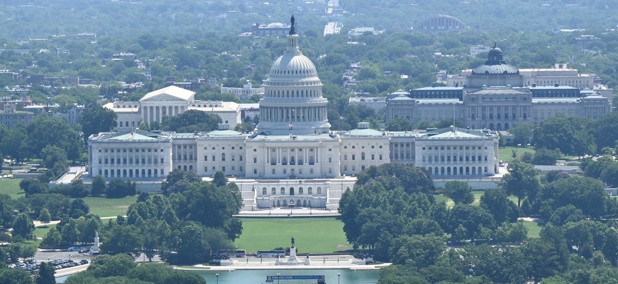
Congress has refused to reapprove Section 702 during a months-long standoff over privacy and the future of the nation’s top spy office.
The expiration of Section 702 marks a critical juncture in the ongoing debate over government surveillance powers and individual privacy in the US.
The sunsetting of this powerful spying ability has significant implications for national security operations, intelligence gathering, and the balance of civil liberties.
US intelligence agencies will lose a key tool for collecting foreign intelligence, potentially impacting their ability to monitor threats, while also addressing privacy concerns raised by Congress.
- · Privacy advocates
- · Civil liberties organizations
- · US intelligence agencies
- · National security apparatus
Intelligence agencies will need to rapidly adapt their methods for foreign intelligence gathering.
The political standoff could prompt new legislative efforts to reform surveillance laws and define the scope of intelligence collection.
Allied nations may re-evaluate intelligence sharing agreements with the US due to perceived changes in capabilities or legal frameworks.
This signal links to a primary source. Continuum Brief monitors and indexes it as part of the live intelligence stream — we do not republish source content.
Read at Defense One