A Rivian R1T Towed A Big Trailer 1,500 Miles. Despite The Range Loss, It Cost Less Than Gas
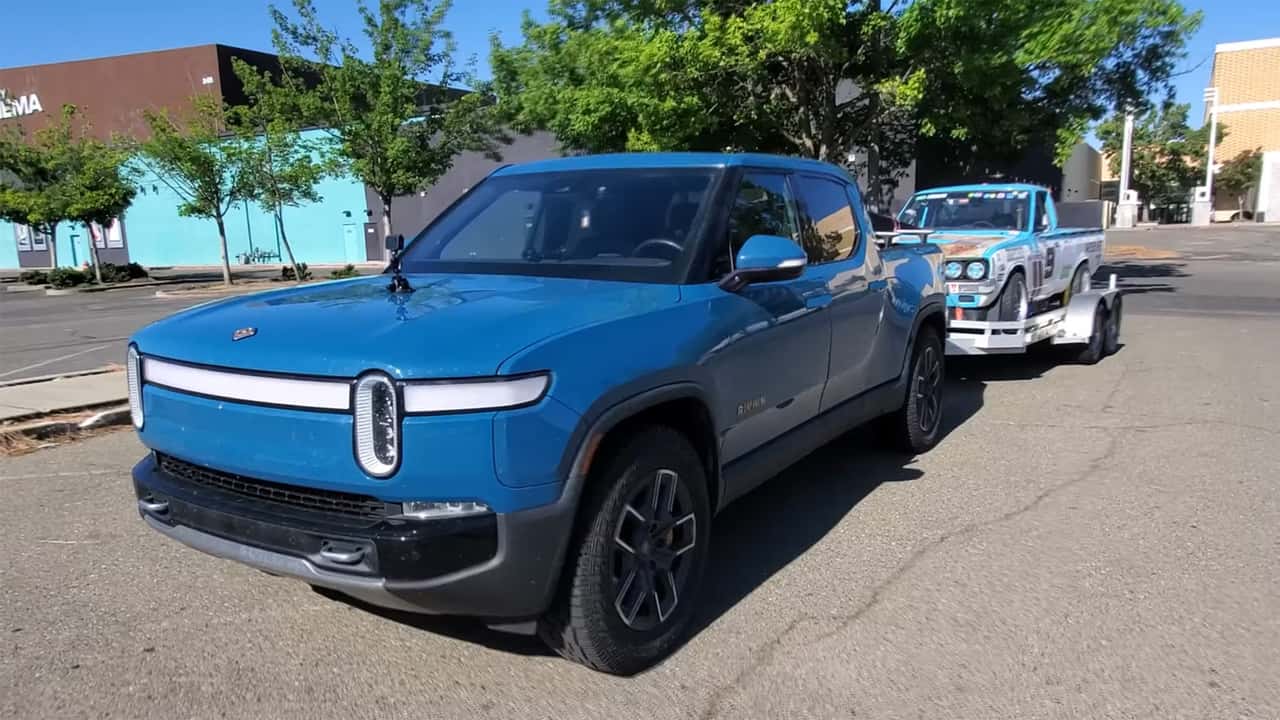
Pulling a 4,500-pound load over a massive cross-country trip through the Rockies made a dent in the usable range, but it was still worth it.
The increasing availability and capability of electric trucks are allowing for real-world testing of their utility in demanding scenarios like long-distance towing, producing practical data points.
This data point demonstrates that despite range limitations, electric vehicles can already be a cost-effective alternative for heavy-duty tasks, challenging existing assumptions about EV utility for fleet and commercial applications.
The perception of EVs as purely urban or short-range vehicles is evolving, with evidence of their viability for more challenging, energy-intensive uses. This suggests accelerating adoption in sectors previously thought resistant to electrification.
- · Electric vehicle manufacturers (especially trucks)
- · EV charging infrastructure providers
- · Consumers/businesses with high mileage needs
- · Battery technology developers
- · Internal combustion engine (ICE) truck manufacturers
- · Fossil fuel industry
- · Traditional auto parts suppliers
Increased consumer confidence and adoption of electric trucks for towing and heavy-duty tasks.
Accelerated investment in fast-charging infrastructure along major transportation corridors to support long-haul EV usage.
Commercial fleet operators begin to rapidly electrify their heavy-duty vehicle fleets due to operational cost savings, impacting global oil demand.
This signal links to a primary source. Continuum Brief monitors and indexes it as part of the live intelligence stream — we do not republish source content.
Read at InsideEVs