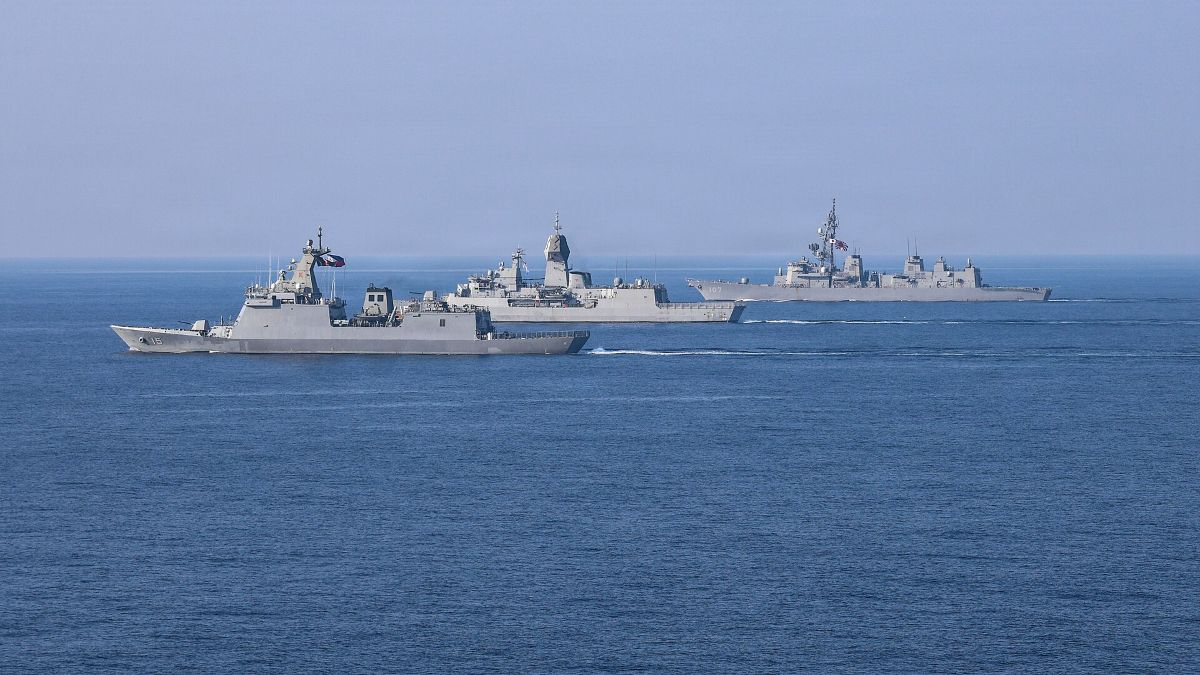
Sea control has changed. In recent years, there has been a quiet revolution in maritime strategy that has seen navies increasingly expected to exert greater levels of control over more of the world’s oceans, more of the time. Whether it is NATO forces protecting critical maritime infrastructure in the Baltic, Pacific Island nations requiring maritime domain awareness to protect against illegal fishing, or Chinese coast guard and maritime militia vessels occupying features in the South China Sea, navies across the globe are confronting major challenges and are being forced to operate in new and
The increased geopolitical competition, technological advancements in maritime domain awareness, and nations' growing ambition to project power over larger sea areas are driving this evolution in sea control.
A strategic reader should care because evolving sea control dynamics directly impact global trade routes, resource access, and the balance of power, forcing navies to adapt to new operational realities.
Navies are now expected to exert greater and more persistent control over broader ocean expanses, requiring new strategies and technologies beyond traditional naval warfare.
- · Defence Tech Sector
- · Naval Powers with Advanced Capabilities
- · Maritime Surveillance Companies
- · Nations investing in unmanned maritime systems
- · Nations reliant on traditional naval doctrines
- · Illegal fishing operations
- · Maritime grey-zone actors
- · Nations with limited naval projection
Increased investment in advanced maritime surveillance, autonomous systems, and distributed naval forces.
Heightened competition and potential for friction in contested maritime regions as nations vie for greater control.
Shifts in global maritime trade routes and insurance costs due to perceived security or insecurity in certain sea lanes.
This signal links to a primary source. Continuum Brief monitors and indexes it as part of the live intelligence stream — we do not republish source content.
Read at War on the Rocks