Acoustic mapping app uses thousands of networked old Android phones to hunt Shahed drones — crowd-sourced microphone network spots small, low-RCS military targets
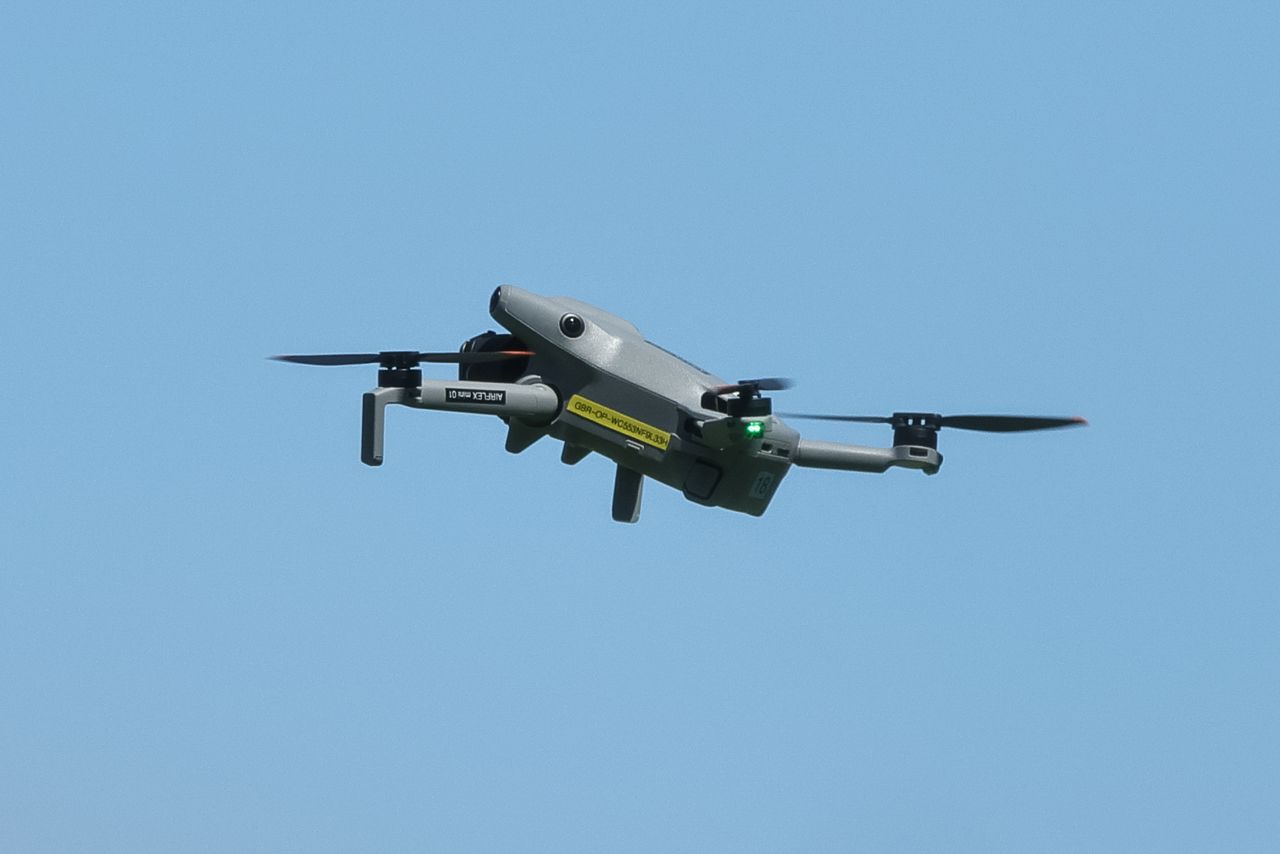
This app would crowdsource drone detection and help map their location and direction long before they reach their targets.
The proliferation of affordable drones in modern warfare and asymmetric conflicts necessitates innovative, low-cost detection methods, coinciding with widespread smartphone penetration.
This development introduces a decentralized, accessible method for drone detection, empowering civilian participation in defense and creating a distributed sensor network that challenges conventional militaryISR structures.
Drone detection is no longer solely reliant on expensive military hardware; everyday consumer electronics, leveraged by crowdsourcing, can contribute to national defense.
- · Civilian defense initiatives
- · Ukraine
- · Open-source intelligence
- · Citizens with old Android phones
- · Adversaries relying on stealthy drones
- · Traditional military ISR manufacturers
- · Centralized intelligence agencies
- · Shahed drone manufacturers
Immediate, localized warning for drone attacks improves civilian safety and defense response times.
The system creates a highly distributed, resilient network that is difficult to disrupt compared to centralized radar systems, leading to more data on drone flight paths.
This crowd-sourced approach could fundamentally alter the cost-benefit analysis of drone warfare, making stealthy, low-RCS targets less effective due to omnipresent detection.
This signal links to a primary source. Continuum Brief monitors and indexes it as part of the live intelligence stream — we do not republish source content.
Read at Tom's Hardware