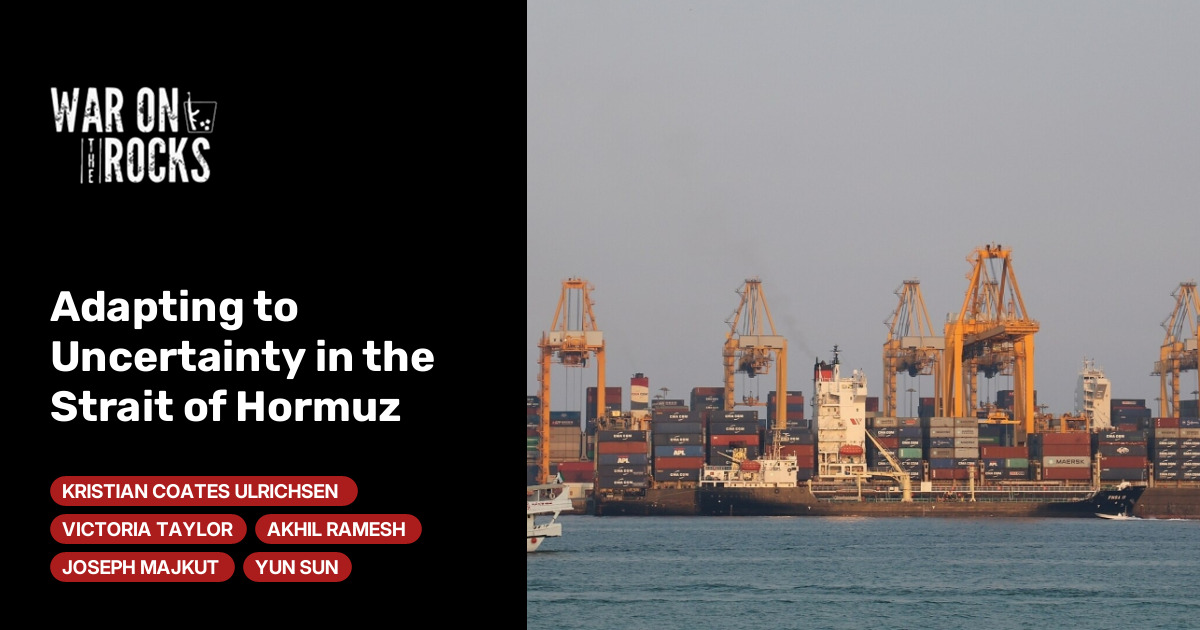
Iran’s threats to shipping through the Strait of Hormuz — in response to the U.S. and Israeli strikes on Iran that began on Feb. 28 — effectively closed the strait, sending economic shockwaves around the world. As part of negotiations between Tehran and Washington, Iran has eased restrictions, and shipping traffic has picked up in recent days — albeit well below pre-war levels.Whatever the outcome of negotiations, Iran has clearly demonstrated its ability to shut down the strait. It could happen again. That reality significantly increases incentives for many countries to reduce their reliance
The recent closure and partial reopening of the Strait of Hormuz demonstrate Iran's credible capability to disrupt global shipping in response to geopolitical pressures.
This event highlights the persistent vulnerability of critical maritime chokepoints and significantly increases the incentive for nations to diversify supply chains and energy sources.
The perceived risk of disruption to global trade routes has increased, compelling countries and corporations to re-evaluate their reliance on specific energy and trade corridors.
- · Countries with diversified energy imports
- · Alternative shipping routes
- · Renewable energy sectors
- · Oil and gas importers heavily reliant on the Strait of Hormuz
- · Global shipping industry
- · Economies dependent on stable oil prices
Global energy markets experience increased volatility and prices.
Nations accelerate investments in strategic petroleum reserves and non-fossil fuel energy sources.
Long-term geopolitical alliances re-align based on secure energy and trade access, potentially leading to new regional blocs.
This signal links to a primary source. Continuum Brief monitors and indexes it as part of the live intelligence stream — we do not republish source content.
Read at War on the Rocks