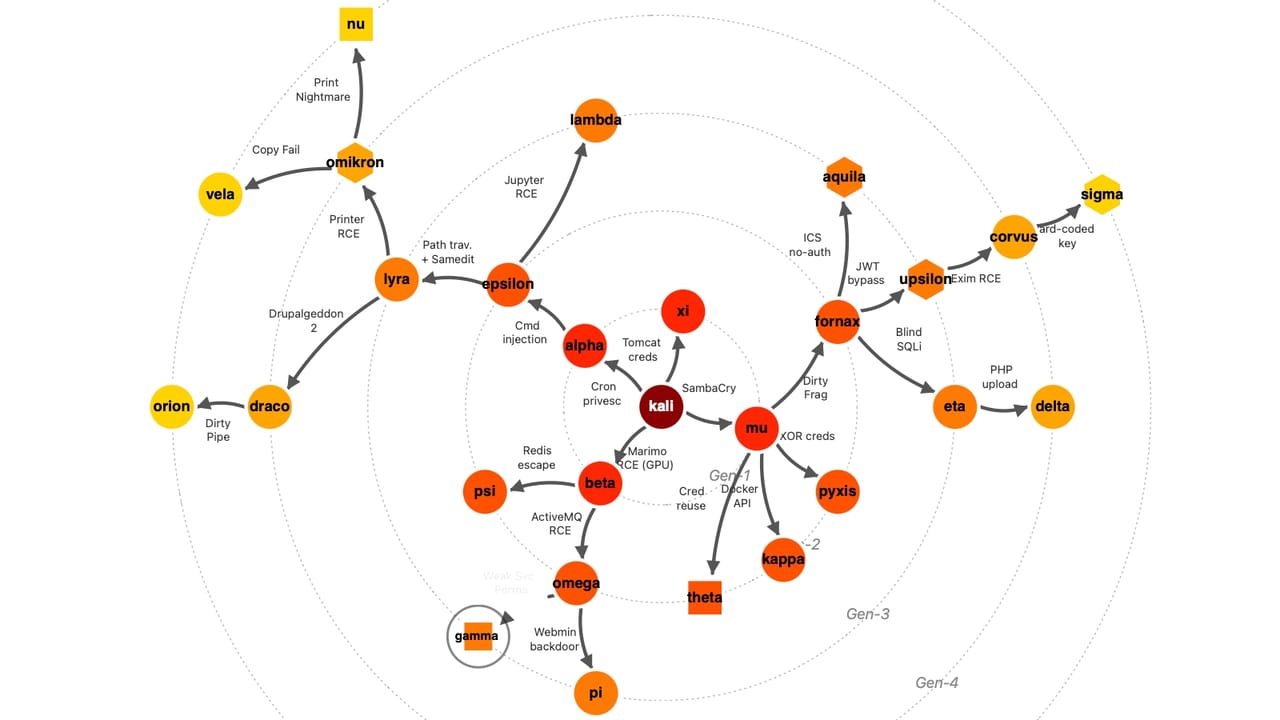
AI worms, or "viruses with wings and brains," adapt to new environments, seek out vulnerabilities, and will likely strike within a year, researchers say.
Researchers are issuing warnings based on the rapid advancement of AI capabilities and the increasing sophistication of malicious actors, predicting an imminent threat within a year.
The emergence of adaptive, agentic AI worms represents a critical and novel cybersecurity threat, capable of autonomous infiltration and exploitation, which mandates immediate strategic consideration for enterprise security.
The threat landscape shifts from static, signature-based malware to dynamic, self-evolving AI-driven infections, requiring a re-evaluation of current defensive postures and incident response strategies.
- · Cybersecurity firms specializing in AI defense
- · Organizations with advanced threat intelligence
- · AI ethics and safety researchers
- · Enterprises with weak security protocols
- · Legacy cybersecurity solution providers
- · Small and medium businesses lacking dedicated security
Enterprises will face increased and more sophisticated cyberattacks that autonomously adapt to defenses.
Significant investments in AI-driven defensive security systems and potentially new regulatory frameworks for AI security will emerge.
The development of 'immune systems' for digital infrastructure, potentially leading to an AI-on-AI cyber arms race.
This signal links to a primary source. Continuum Brief monitors and indexes it as part of the live intelligence stream — we do not republish source content.
Read at Dark Reading