After Chips Act 2.0 - EU approves €76m in state aid for chip testing firm
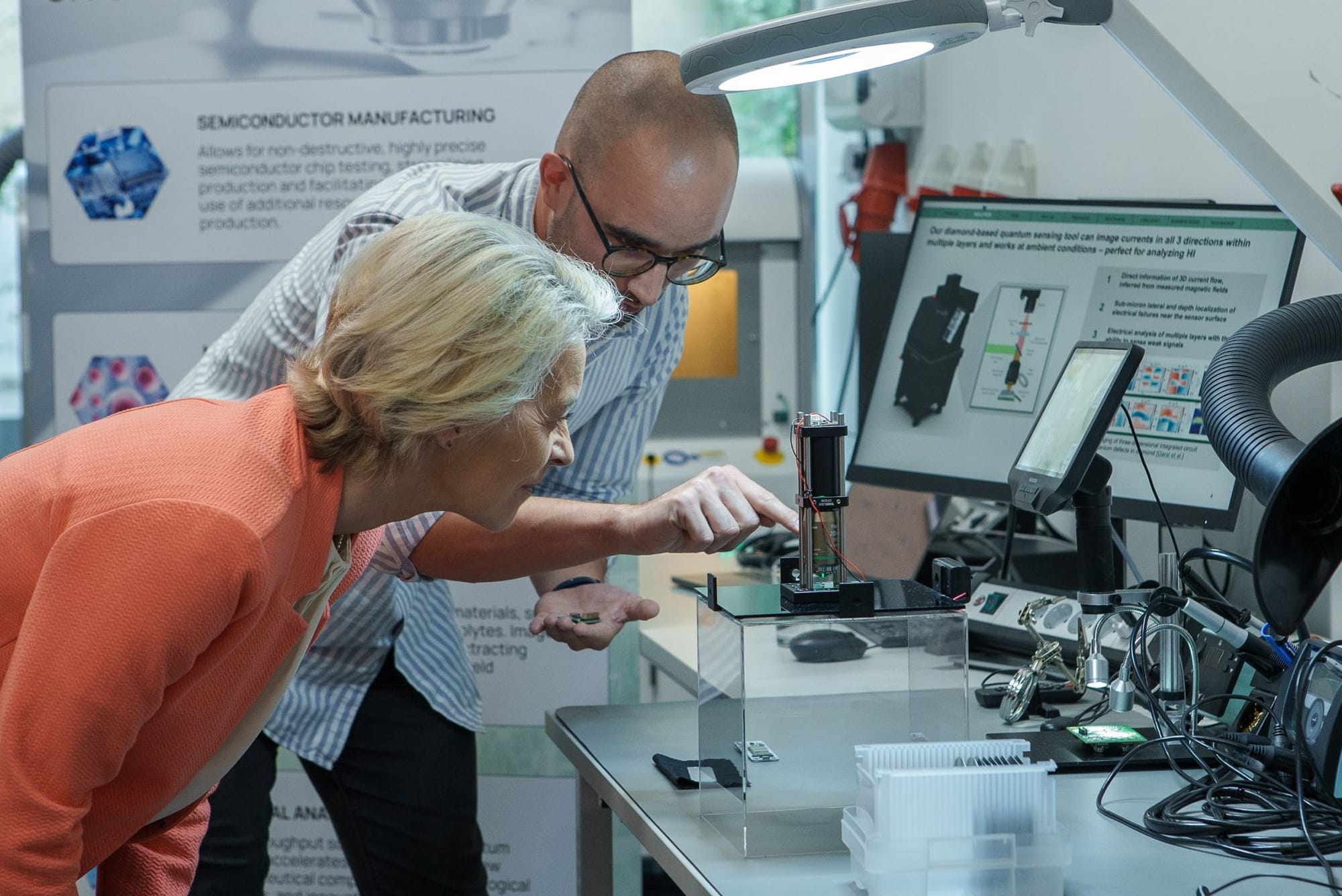
Germany backs quantum sensing firm's new factory as EU admits chip industry "remains dependent" on third countries.
The EU's ongoing drive to reduce semiconductor dependency, formalized by the Chips Act, is now translating into tangible financial support for domestic industry. This action follows continuous acknowledgement of strategic vulnerabilities in the global chip supply chain.
This signifies a concrete step in the EU's larger strategy to build sovereign capacity in critical technology, indicating a long-term commitment to de-risk its supply chains. It highlights the sustained effort to localize advanced manufacturing and testing capabilities.
The approval of significant state aid directly supports the establishment of domestic high-tech manufacturing, potentially expanding the EU's self-sufficiency in semiconductor testing. This shifts some reliance from external providers to internal capabilities.
- · EU semiconductor firms
- · German quantum sensing industry
- · EU member states
- · Semiconductor testing sector
- · Non-EU semiconductor testing firms
- · Third-country chip manufacturers (relative dependency)
The new factory will enhance the EU's capabilities in advanced chip testing, particularly for quantum technologies.
Increased domestic chip testing capacity could lead to more robust supply chains for critical EU industries that rely on semiconductors.
A strengthened EU semiconductor ecosystem, including testing, might attract further foreign investment and technical talent to the region, fostering broader technological innovation.
This signal links to a primary source. Continuum Brief monitors and indexes it as part of the live intelligence stream — we do not republish source content.
Read at The Stack