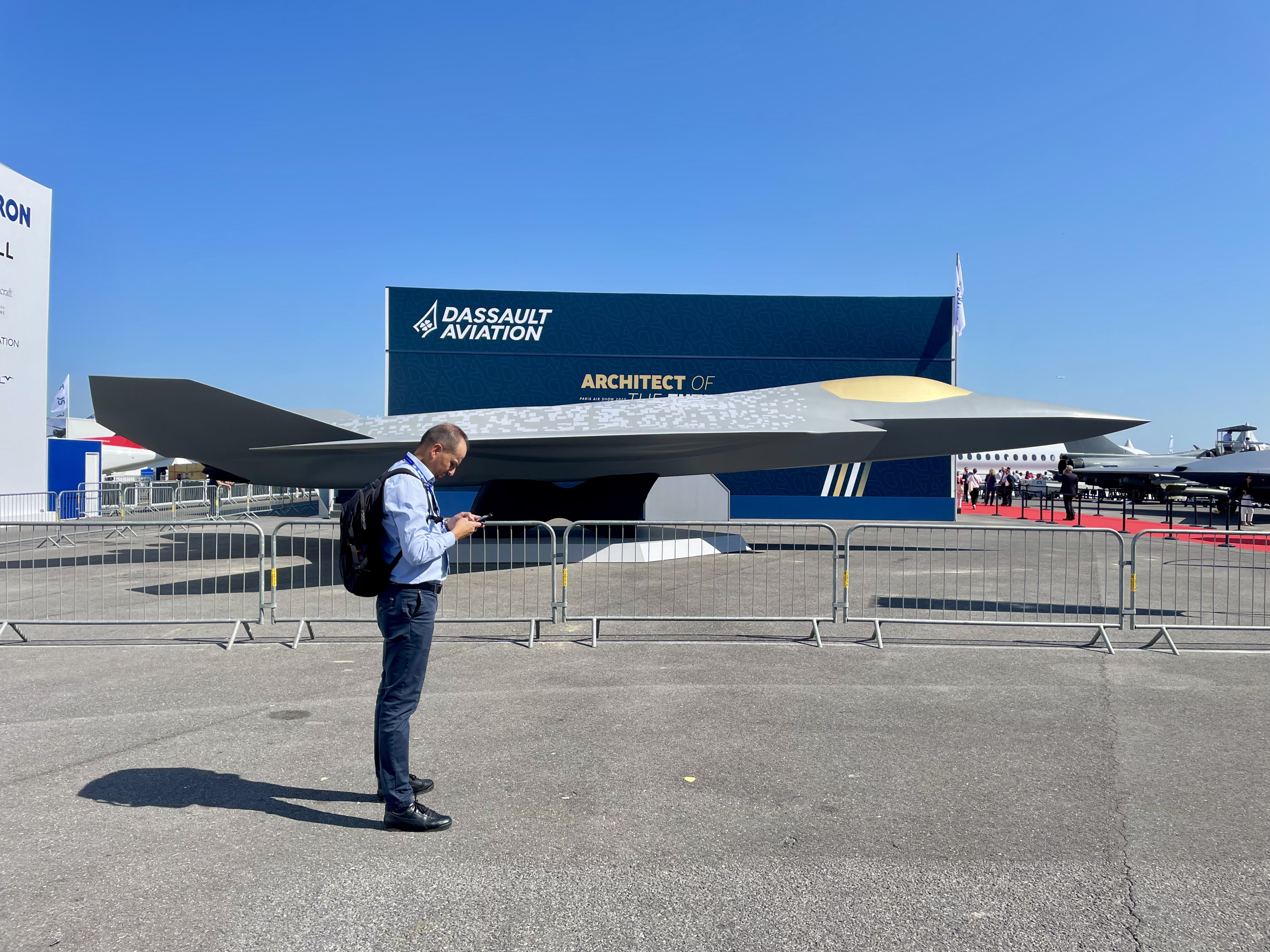
“Knowing what we know today, we wouldn’t set up a program in this way again,” Pistorius said.
The quote from the German defense minister indicates a significant re-evaluation of prior defense acquisition strategies, precipitated by challenges in multinational programs like FCAS.
This development signals a potential shift in Germany's long-term fighter jet procurement strategy, impacting European defense cooperation and the market for advanced military aircraft.
Germany is re-evaluating its approach to next-generation fighter programs, potentially leading to increased reliance on proven foreign platforms like the F-35 instead of collaborative European projects.
- · Lockheed Martin
- · United States defense industry
- · European collaborative defense programs
- · Airbus
Germany may order more F-35s, strengthening NATO interoperability with US systems.
This could further strain European defense industrial cooperation on indigenous programs.
Increased reliance on US platforms might reduce European strategic autonomy in defense technology development.
This signal links to a primary source. Continuum Brief monitors and indexes it as part of the live intelligence stream — we do not republish source content.
Read at Defense News