After the fall of FCAS fighter, Germany eyes ‘realistic’ future projects with France
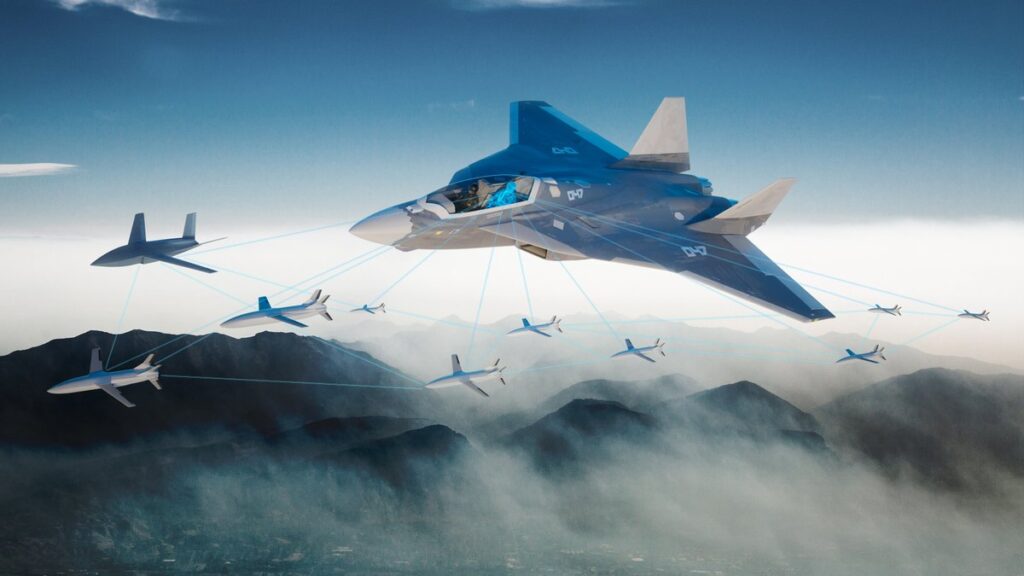
After years of squabbles over the development of the sixth-gen fighter jet, the centerpiece of the projected $115 billion effort, Berlin said the companies involved “cannot reach an agreement.”
The perennial disagreements between France and Germany over leadership and industrial interests have finally led to an official acknowledgment of FCAS's failure, pushing both nations to reconsider their approach to future defense projects.
The collapse of a flagship European defense project signifies a strategic setback for European defense autonomy and underscores the persistent challenges in achieving cross-national industrial collaboration in critical sectors.
Germany and France will now pursue 'realistic' future projects, likely involving smaller scopes, different partners or a re-evaluation of integrated European defense initiatives, impacting the competitive landscape of defense contractors and geopolitical alliances.
- · US defense industry
- · GCAP consortium
- · Individual national defense industries (France, Germany)
- · European defense autonomy
- · Airbus Defence and Space
- · Dassault Aviation
The failure of FCAS will lead to a renewed focus on national defense priorities and potentially separate development paths for next-generation air warfare capabilities within Europe.
Increased reliance on non-European partners (e.g., US, UK) for advanced military technology by European nations, potentially weakening NATO's European pillar.
A fragmentation of the European defense industrial base, making it harder to achieve economies of scale and compete globally in the long term, thereby reinforcing external dependencies.
This signal links to a primary source. Continuum Brief monitors and indexes it as part of the live intelligence stream — we do not republish source content.
Read at Breaking Defense