AI and brain-computer interface allow speechless ALS patient to work a full-time job
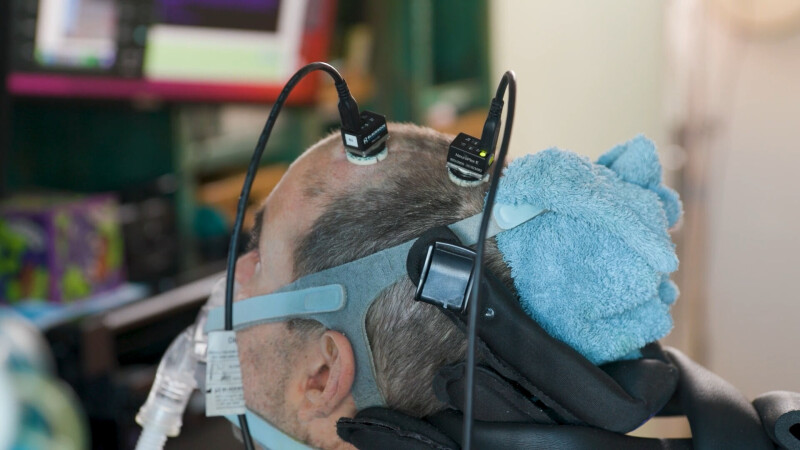
The hardware isn't new, but a UC Davis research team's machine learning-powered method of translating brain activity in an ALS patient into sentences with 92% accuracy is
Advances in machine learning and neural interface technologies are reaching a maturity that allows for high-accuracy brain-computer interface applications, building on decades of research.
This breakthrough demonstrates a significant leap in assistive technology, enabling communication for previously locked-in individuals and opening new avenues for human-computer interaction and productivity.
The ability to translate brain activity into coherent sentences with high accuracy fundamentally changes the potential for communication and integration of individuals with severe disabilities into professional and social life.
- · ALS patients and individuals with severe communication disabilities
- · Assistive technology developers
- · Neuroscience and AI research institutions
- · Healthcare sector
- · Manufacturers of older, less efficient communication aids
Patients with ALS and similar conditions gain a highly effective means of communication and a pathway to employment.
Increased research and development into sophisticated brain-computer interfaces for broader applications, potentially enhancing human-computer interaction for the general population.
Ethical and societal debates will intensify regarding the definition of consciousness, human augmentation, and data privacy concerning brain activity.
This signal links to a primary source. Continuum Brief monitors and indexes it as part of the live intelligence stream — we do not republish source content.
Read at The Register