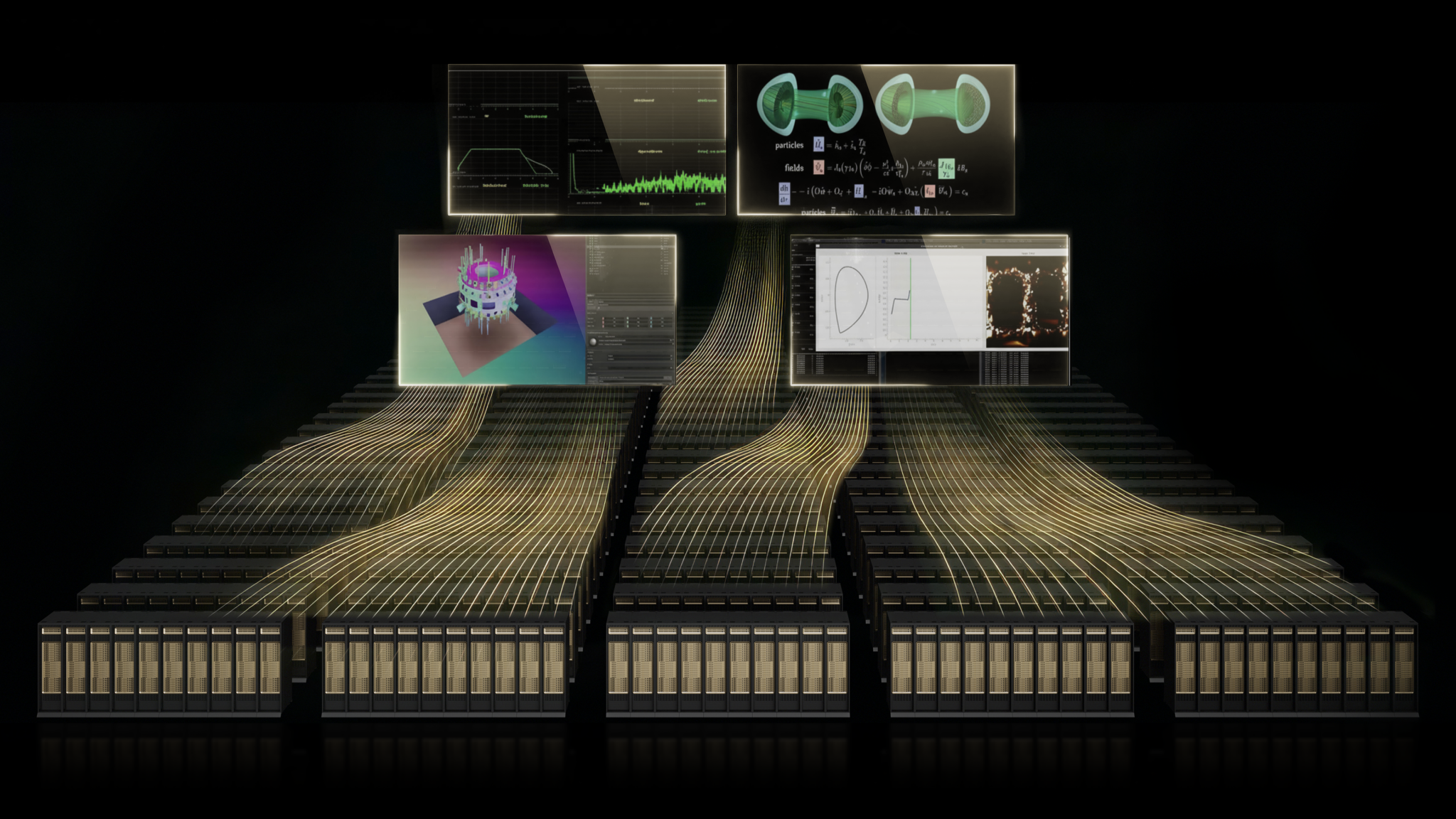
AI factories are token factories, converting power into intelligence in real time. And as agentic AI scales and autonomous, always-on special agents are deployed in the enterprise, performance per watt and cost per token become the economics that matter.
The accelerating deployment of agentic AI necessitates dedicated infrastructure ('AI factories') to handle the scaling demands for real-time intelligence production, driven by advancements in chips like Blackwell and Rubin.
This redefines essential infrastructure from data centers to 'token factories,' making cost per token and performance per watt critical economic drivers for a strategic reader focused on digital transformation and national competitiveness.
The focus shifts from general-purpose compute to specialized 'AI factory' infrastructure optimized for converting power into intelligence, fundamentally altering how enterprises invest in and leverage AI.
- · NVIDIA
- · Hyperscalers
- · AI Infrastructure Providers
- · Enterprises adopting agentic AI
- · Legacy IT Infrastructure
- · Companies without AI factory investments
- · High-latency/inefficient AI models
- · Energy-inefficient data centers
The rise of AI factories drives massive capital expenditure into specialized hardware and energy infrastructure.
Economic competitiveness and national security become increasingly tied to control and efficiency of AI factory output (tokens/intelligence).
The concept of 'digital sovereignty' expands to 'AI sovereignty,' encompassing not just data and models, but also the domestic capacity to produce intelligence at scale through owned or controlled AI factories.
This signal links to a primary source. Continuum Brief monitors and indexes it as part of the live intelligence stream — we do not republish source content.
Read at NVIDIA Blog