AI servers will consume more power than all conventional data center hardware combined by 2027 — global data center electricity consumption set to grow by 26% this year, Gartner forecasts
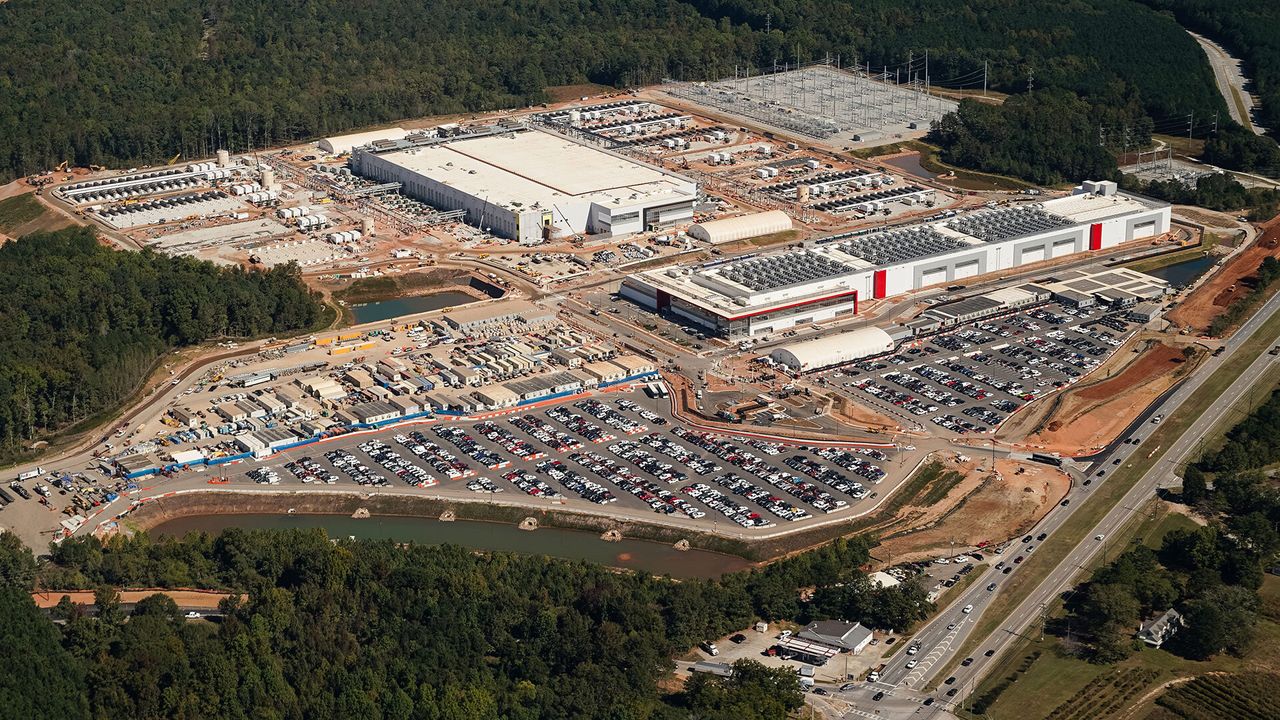
Global data center electricity consumption will grow 26% in 2026 to reach 565 TWh, up from 447 TWh in 2025.
The rapid acceleration of AI development and deployment is leading to unprecedented power demands from AI-specific hardware, reaching critical mass within a tight timeframe.
This forecast highlights a fundamental bottleneck for the AI revolution, making energy supply and grid infrastructure a primary strategic concern for nations and corporations alike.
The energy needs of AI are no longer a future problem but an immediate constraint on data center expansion and national AI capabilities, altering investment priorities and geopolitical strategies.
- · Energy infrastructure providers
- · Nuclear power developers
- · Companies optimizing GPU power efficiency
- · Utilities and grid operators
- · Data center operators without robust energy access
- · Regions with constrained energy grids
- · Companies reliant on cheap, abundant compute
- · AI developers insensitive to power costs
Increased investment in power generation and grid modernization will become a top priority for governments and private sectors aiming to capture AI advantages.
Geopolitical competition for energy resources, particularly reliable baseload power, will intensify as countries vie to host and operate energy-intensive AI infrastructure.
The design of future AI chips and data centers will be fundamentally driven by power efficiency, potentially favoring novel architectures or distributed computing models to mitigate centralized energy demands.
This signal links to a primary source. Continuum Brief monitors and indexes it as part of the live intelligence stream — we do not republish source content.
Read at Tom's Hardware