Air Cargo Under Strain: The Consequences of FAA Flight Reductions on Global Supply Chains
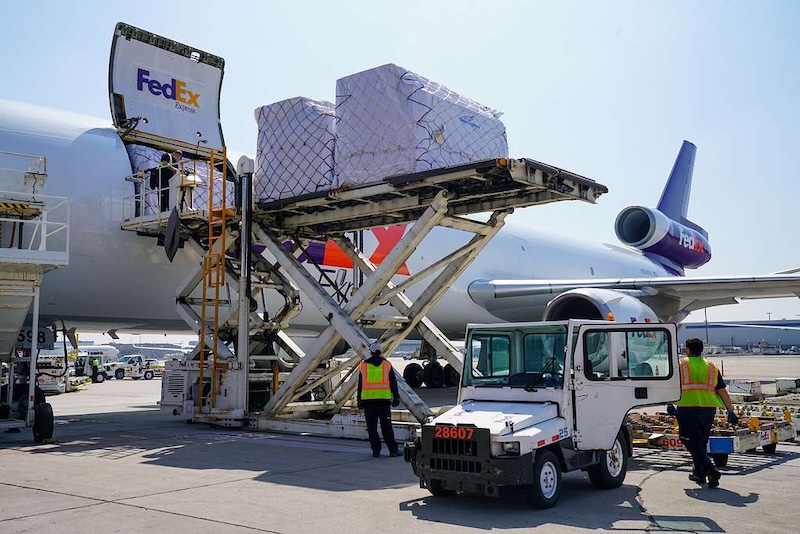
The disruption logged across the trade press as the FAA morning flight reduction 2026 exposed how fragile high-value air cargo really is, and its trigger had nothing to do with cargo holds. It began on November 6, when the Federal Aviation Administration issued an emergency order: the nation’s forty busiest airports had to phase in […]
The FAA's emergency flight reductions in late 2026 exposed the immediate fragility of air cargo supply chains, highlighting vulnerabilities beyond typical payload considerations.
This event forces a re-evaluation of air cargo's reliability for high-value logistics and emphasizes the need for diversified supply chain strategies, impacting global trade and national security.
Confidence in the consistent, just-in-time delivery capabilities of air cargo, particularly for time-sensitive and high-value goods, is diminished.
- · Regional logistics providers with alternative routes
- · Ocean freight companies
- · Warehousing and inventory management solutions
- · Cold chain logistics innovators
- · Aviation-reliant global supply chains
- · High-value goods manufacturers
- · Just-in-time inventory models
- · Air cargo carriers
Companies reliant on air cargo face immediate delays and increased costs for critical components and finished goods.
Businesses will accelerate the adoption of multi-modal transportation strategies and regionalized production to reduce dependence on single-point-of-failure logistics.
National governments may begin to view robust domestic logistics infrastructure as a critical aspect of economic and national security, leading to increased investment and regulation.
This signal links to a primary source. Continuum Brief monitors and indexes it as part of the live intelligence stream — we do not republish source content.
Read at Robotics & Automation News