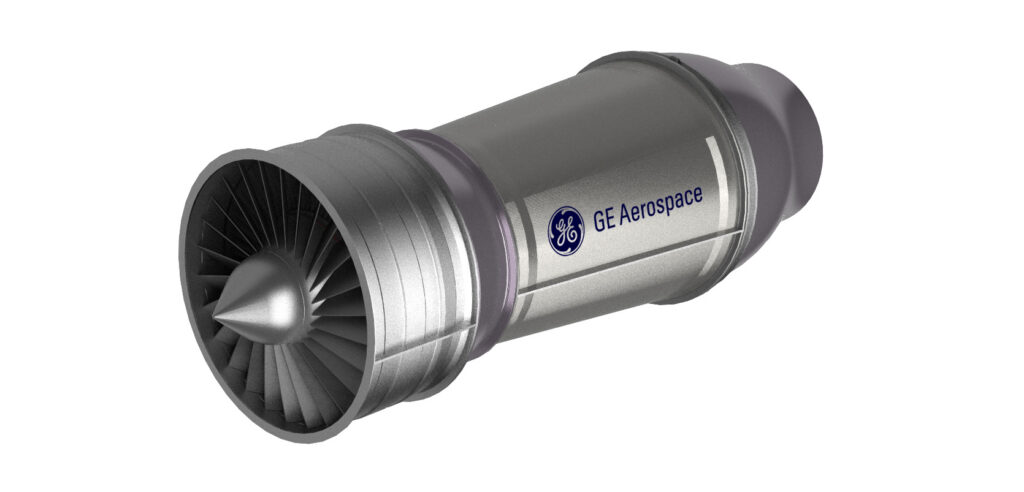
The two engine makers will advance designs to power medium thrust class drones, an Air Force spokesperson told Breaking Defense.
The US Air Force is actively pushing for the development of advanced drone capabilities, particularly for its Collaborative Combat Aircraft (CCA) program, requiring new engine technologies to meet future operational demands.
This move signifies tangible progress in the Air Force's strategy to incorporate autonomous systems into its combat doctrine, highlighting a shift towards distributed and crewed-uncrewed teaming architectures.
The awarding of these contracts accelerates the development of specialized propulsion systems for military drones, enabling more advanced and diverse unmanned aerial vehicle (UAV) platforms.
- · GE Aerospace
- · Rolls-Royce
- · US Air Force
- · Defence Tech Sector
- · Traditional crewed aircraft manufacturers (long term)
- · Legacy defence contractors hesitant on autonomy
GE and Rolls-Royce will rapidly advance their drone engine designs, leading to prototypes and testing within the next few years.
Successful development of these engines will enable the accelerated deployment of more capable and cost-effective collaborative combat aircraft, altering air combat strategy.
The proliferation of advanced drone engine technology could eventually contribute to a global arms race in autonomous aerial systems, requiring new international norms and regulations.
This signal links to a primary source. Continuum Brief monitors and indexes it as part of the live intelligence stream — we do not republish source content.
Read at Breaking Defense