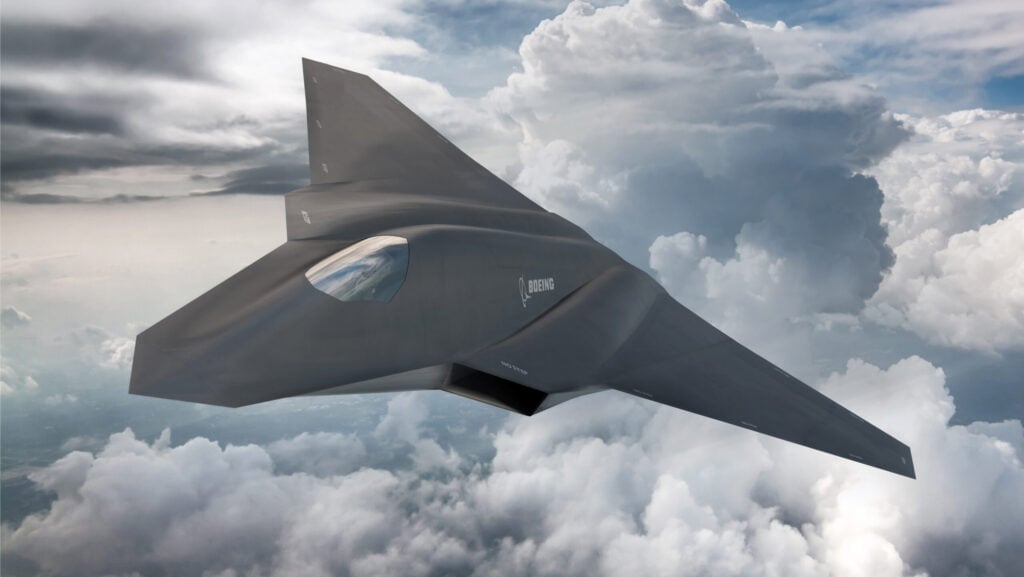
The Next Generation Adaptive Propulsion program is now projected to complete prototyping work in 2031, a cumulative delay of three years compared to earlier projections.
The delay in the Next Generation Adaptive Propulsion program highlights ongoing challenges in advanced military hardware development, particularly in an era of renewed great power competition.
This delay impacts the US Air Force's ability to maintain technological superiority in air warfare, potentially affecting strategic timelines for future air dominance.
The timeline for the US Air Force's next-generation engine prototyping has been pushed back by three years, indicating slower progress in a critical defense technology area.
- · Compiling nations military budget
- · Adversarial aerospace programs
- · US Air Force
- · GE Aerospace
- · Pratt and Whitney
The USAF's Next Generation Air Dominance program will likely face further delays or adjustments to accommodate the engine development setback.
This could prompt increased investment in alternative or accelerated propulsion technologies from other allied nations or even adversaries seeking to close the gap.
Longer-term, it might force a strategic reassessment of the US's approach to defense innovation, potentially shifting focus towards modularity or commercial solutions if traditional programs prove too slow.
This signal links to a primary source. Continuum Brief monitors and indexes it as part of the live intelligence stream — we do not republish source content.
Read at Breaking Defense