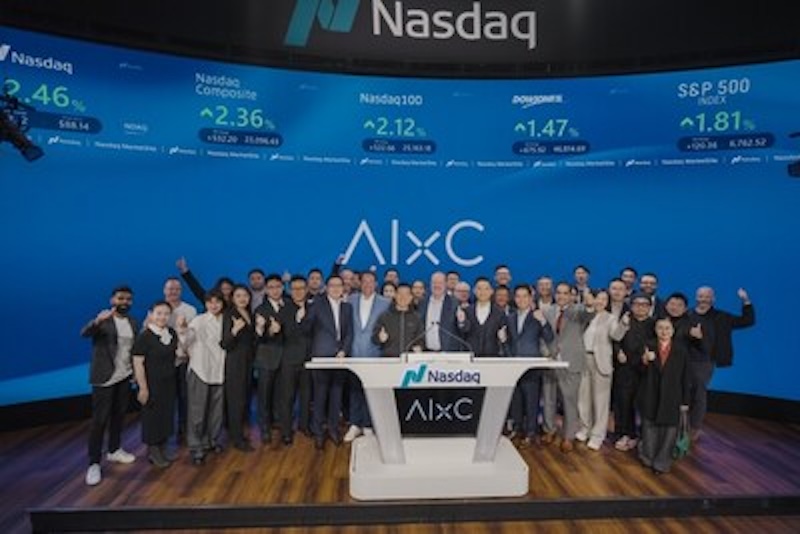
AIxCrypto has unveiled a robot rental marketplace and a new infrastructure platform for autonomous assets as it seeks to extend the commercial life of robots beyond their initial sale. The Nasdaq-listed company introduced RoboShare and AIXC01 during the recent Automate Show in Chicago, outlining a strategy it says will allow robots, AI agents and other […]
The increasing maturity and deployment of autonomous robots, coupled with advancements in AI agents, is creating new economic models for asset utilization and commercialization, pushing companies to find ways to maximize their robotic investments.
This development signals a significant step towards the wider economic integration of robotics and AI, fundamentally altering asset ownership models and potentially accelerating the adoption of automation across industries.
The market for robotic assets is shifting from outright purchase to a service-oriented model, enabling broader access to automation and unlocking new revenue streams for robot manufacturers and platform providers.
- · AIxCrypto
- · Robot manufacturers
- · Companies seeking automation access
- · AI agents developers
- · Traditional asset financing models (some segments)
- · Companies unable to adapt to service-based automation
Companies gain more flexible access to advanced robotics and automation without high upfront capital expenditure.
Increased utilization of robotic assets leads to faster depreciation and innovation cycles for automation technologies.
The development of a robust autonomous asset network could create distributed, automated supply chains and logistics systems, redefining industrial infrastructure.
This signal links to a primary source. Continuum Brief monitors and indexes it as part of the live intelligence stream — we do not republish source content.
Read at Robotics & Automation News