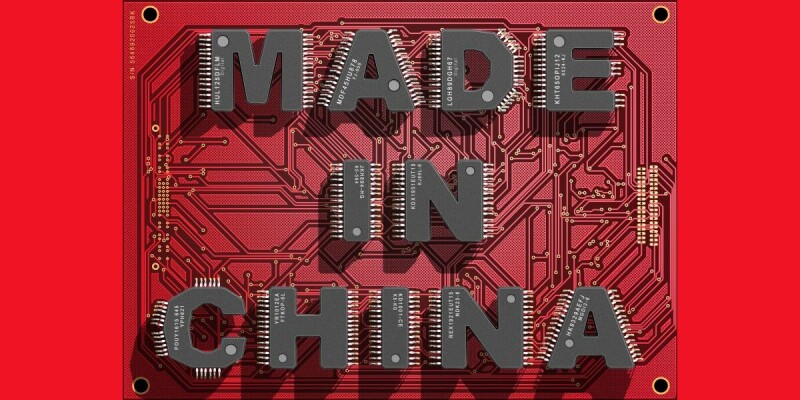
Beijing’s sovereign stack ambitions strengthen
China is accelerating efforts to develop a domestic, self-sufficient technology stack to reduce dependency on foreign providers, particularly in critical infrastructure software.
This development indicates significant progress in China's ability to operate crucial software ecosystems on its own hardware architecture, reinforcing its ambition for technological autonomy.
The viability of non-x86 platforms like RISC-V for mainstream operating systems is now more concretely demonstrated, opening avenues for alternative hardware ecosystems.
- · Alibaba
- · RISC-V ecosystem
- · Chinese technology sector
- · Sovereign technology initiatives
- · x86 architecture dominance
- · US chip sanctions effectiveness
- · Western software incumbents
Android applications will now run natively on RISC-V hardware, expanding the addressable market for the architecture.
Increased adoption of RISC-V in China could lead to greater innovation and a more mature ecosystem, potentially challenging ARM's market share over time.
Other nations or blocs might pursue similar sovereign tech stacks based on RISC-V, accelerating a bifurcation of global technology standards.
This signal links to a primary source. Continuum Brief monitors and indexes it as part of the live intelligence stream — we do not republish source content.
Read at The Register