AMD promises 13% uplift with new EXPO ‘Ultra Low Latency’ overclocking on DDR5 DIMMs — automatic memory overclocking delivers 4% improvement over standard EXPO, says AMD
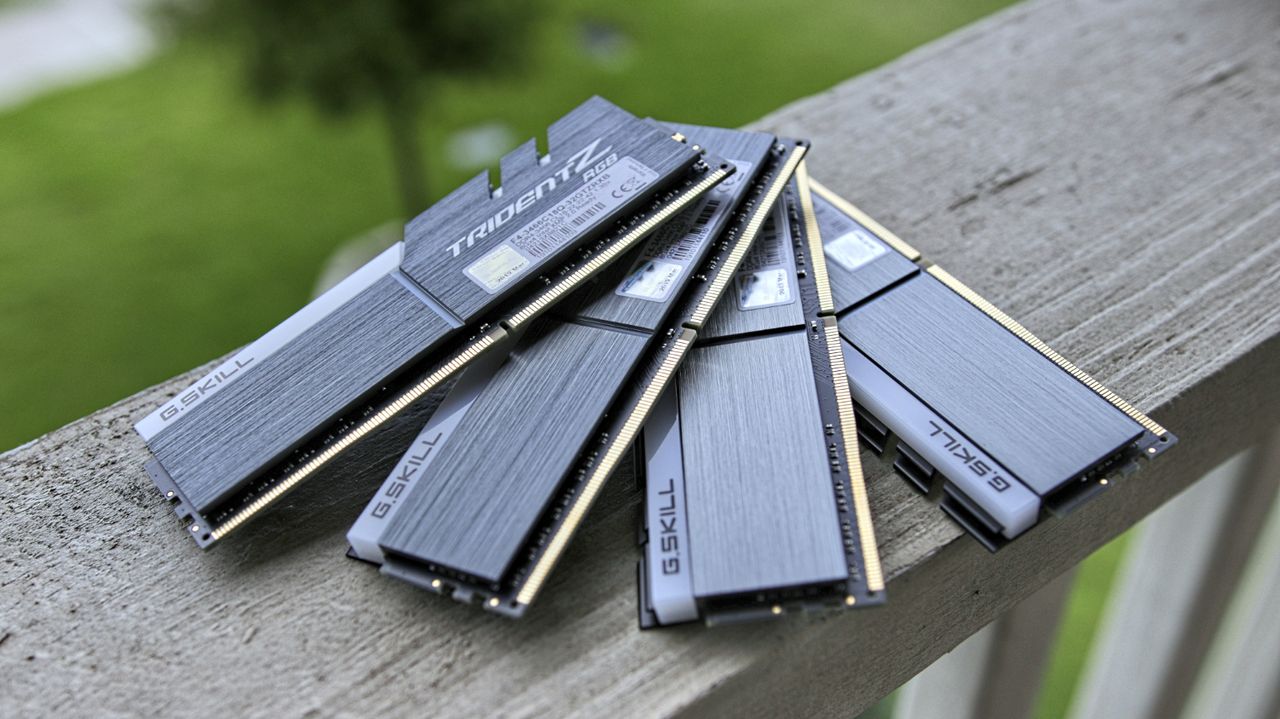
AMD’s upcoming EXPO ‘Ultra Low Latency’ automatic memory overclocking promises a 13% improvement over standard DDR5 speeds, as well as a 4% jump compared to standard EXPO.
The continuous demand for higher performance in computing, especially for AI and gaming, drives innovations in memory technology and overclocking. This announcement reflects AMD's competitive response to market demands for faster, more efficient memory solutions.
Improved memory performance directly impacts overall system speed, crucial for power users, data centers, and advanced computational tasks. For businesses, this translates to faster processing, potentially reducing operational costs and enabling more complex applications.
AMD now offers an enhanced automatic memory overclocking solution that provides a tangible performance uplift over prior standards. This could lead to a minor shift in consumer and enterprise component choices and slightly higher expectations for memory speeds.
- · AMD
- · PC Enthusiasts
- · Gaming Industry
- · Component Manufacturers
- · Intel (indirectly)
- · Standard DRAM manufacturers (without comparable tech)
AMD's new EXPO ULL technology provides a measurable performance boost for DDR5 DIMMs, enhancing system responsiveness.
This innovation could intensify competition in the memory and CPU markets, pushing other manufacturers to develop similar or superior overclocking solutions.
Increased memory performance could indirectly accelerate the development and adoption of memory-intensive applications, including advanced AI models and complex simulations.
This signal links to a primary source. Continuum Brief monitors and indexes it as part of the live intelligence stream — we do not republish source content.
Read at Tom's Hardware