AMD’s Ryzen AI Halo makes local AI look easy, but at $4K, easy doesn't come cheap
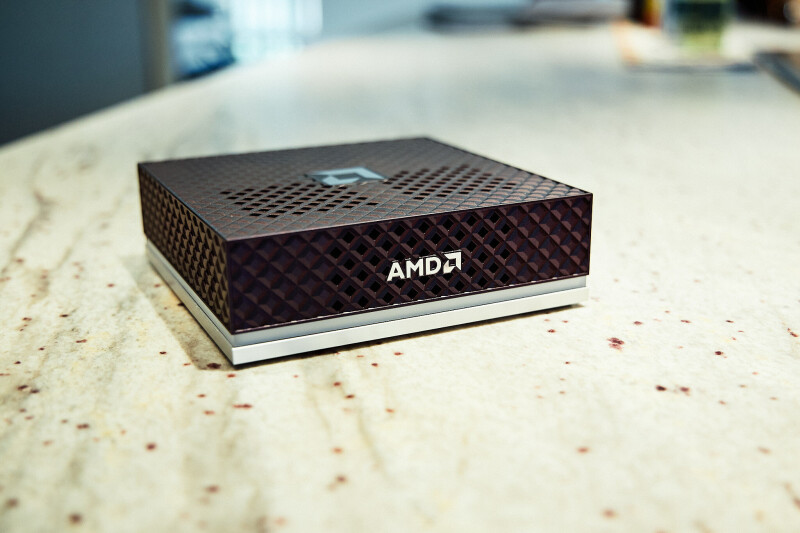
128 GB of memory! In this economy?
Advanced AI models are increasingly capable of local execution, driving demand for powerful, consumer-grade hardware tailored for on-device AI experiences.
The introduction of high-spec, high-cost local AI hardware indicates a market developing for premium computing that shifts some AI processing away from the cloud, impacting user privacy and latency.
AMD's offering demonstrates a trend towards decentralizing AI compute power to end-user devices, making sophisticated AI more accessible locally but at a significant premium.
- · AMD
- · High-end PC manufacturers
- · Software developers for local AI
- · Consumers prioritizing privacy and performance
- · Cloud AI service providers (marginal pressure)
- · Budget PC manufacturers (for AI-specific tasks)
- · General-purpose CPU manufacturers (without AI accelerators)
Increased availability of powerful local AI hardware drives innovation in on-device AI applications.
The high cost could segment the market, creating a premium tier for AI-capable devices and accelerating the obsolescence of non-AI-optimized hardware.
Widespread adoption of local AI hardware could reduce reliance on internet connectivity for some AI tasks, potentially impacting data center growth patterns and fostering new business models around distributed AI.
This signal links to a primary source. Continuum Brief monitors and indexes it as part of the live intelligence stream — we do not republish source content.
Read at The Register