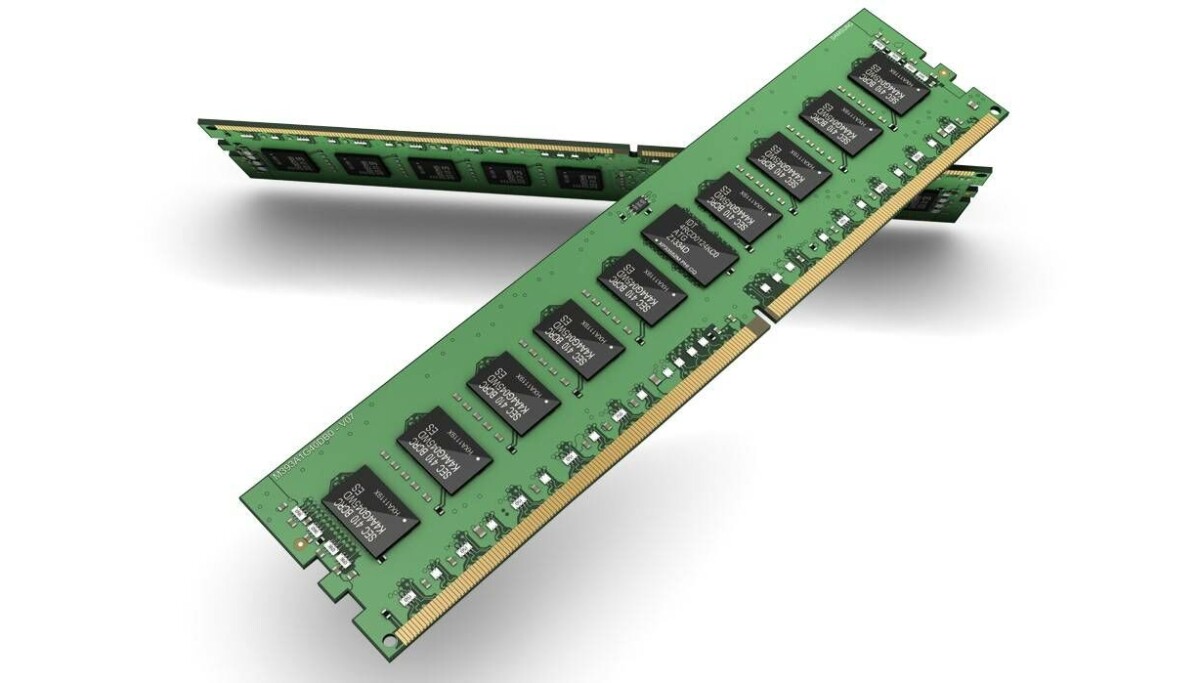
The increasing demands of AI workloads and the rising cost of High Bandwidth Memory (HBM) are driving innovation in memory solutions to manage budgets and improve performance efficiency.
This development allows server platforms to leverage more cost-effective flash storage as an extension of main memory, alleviating some pressure on expensive DRAM and HBM in AI and data center environments.
AMD's approach fundamentally changes how server memory can be architected, enabling larger effective memory pools without solely relying on traditional, high-cost DRAM and HBM.
- · AMD
- · Data Center Operators
- · Flash Memory Manufacturers
- · AI/ML Workloads
- · DRAM manufacturers (marginally if adoption is high)
- · Traditional server architectures
Servers equipped with AMD processors will be able to handle larger datasets and more complex AI models with lower per-unit memory cost.
This could lead to a re-evaluation of data center infrastructure design, potentially slowing the escalating demand for HBM in certain applications.
Increased competition and innovation in memory disaggregation or tiering technologies across the industry, further blurring the lines between storage and memory.
This signal links to a primary source. Continuum Brief monitors and indexes it as part of the live intelligence stream — we do not republish source content.
Read at The Next Platform