Amendment to eliminate funds for Trump-class battleship falters in HASC defense bill markup
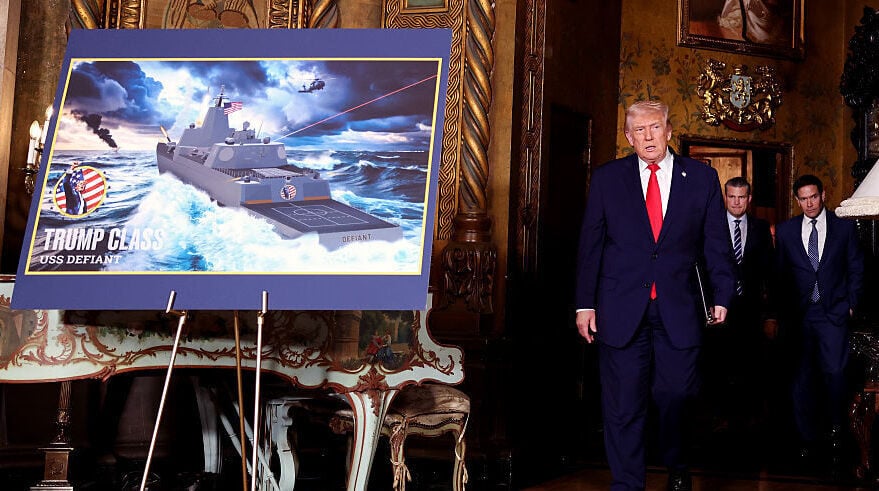
“Whatever the number is [for the BBG(X) program], I’m going to give you right one of the surest fire Kalshi bets you will ever have: Take the over,” said Rep. Adam Smith, D-Wash.
The debate around the 2027 NDAA and specific naval procurement programs is intensifying as Congress begins its markup process, reflecting immediate budgetary and strategic tensions.
This event highlights the ongoing tension between maintaining traditional naval capabilities, represented by large warships, and the necessity to recapitalize defense with more modern, potentially distributed, and autonomous systems.
The faltering of an amendment to eliminate funds for a major battleship program suggests continued support for large capital ships, potentially slowing the shift towards more agile and tech-enabled defense structures envisioned by some strategists.
- · Traditional Naval Defense Contractors
- · US Navy (advocates for large capital ships)
- · Proponents of rapid defense tech recapitalization
- · Taxpayers (potentially due to higher costs)
Ongoing investment in legacy naval platforms, like large battleships, will continue into the next defense budget.
This sustained investment could divert funds from emerging defense technologies or smaller, more adaptable platforms, potentially impacting future force structure and technological advantage.
Long-term, this could lead to a less agile and more vulnerable fleet if peer adversaries aggressively pursue asymmetric warfare capabilities against expensive legacy systems.
This signal links to a primary source. Continuum Brief monitors and indexes it as part of the live intelligence stream — we do not republish source content.
Read at Breaking Defense