Amid rising military suicides, services can’t tell if prevention training is effective
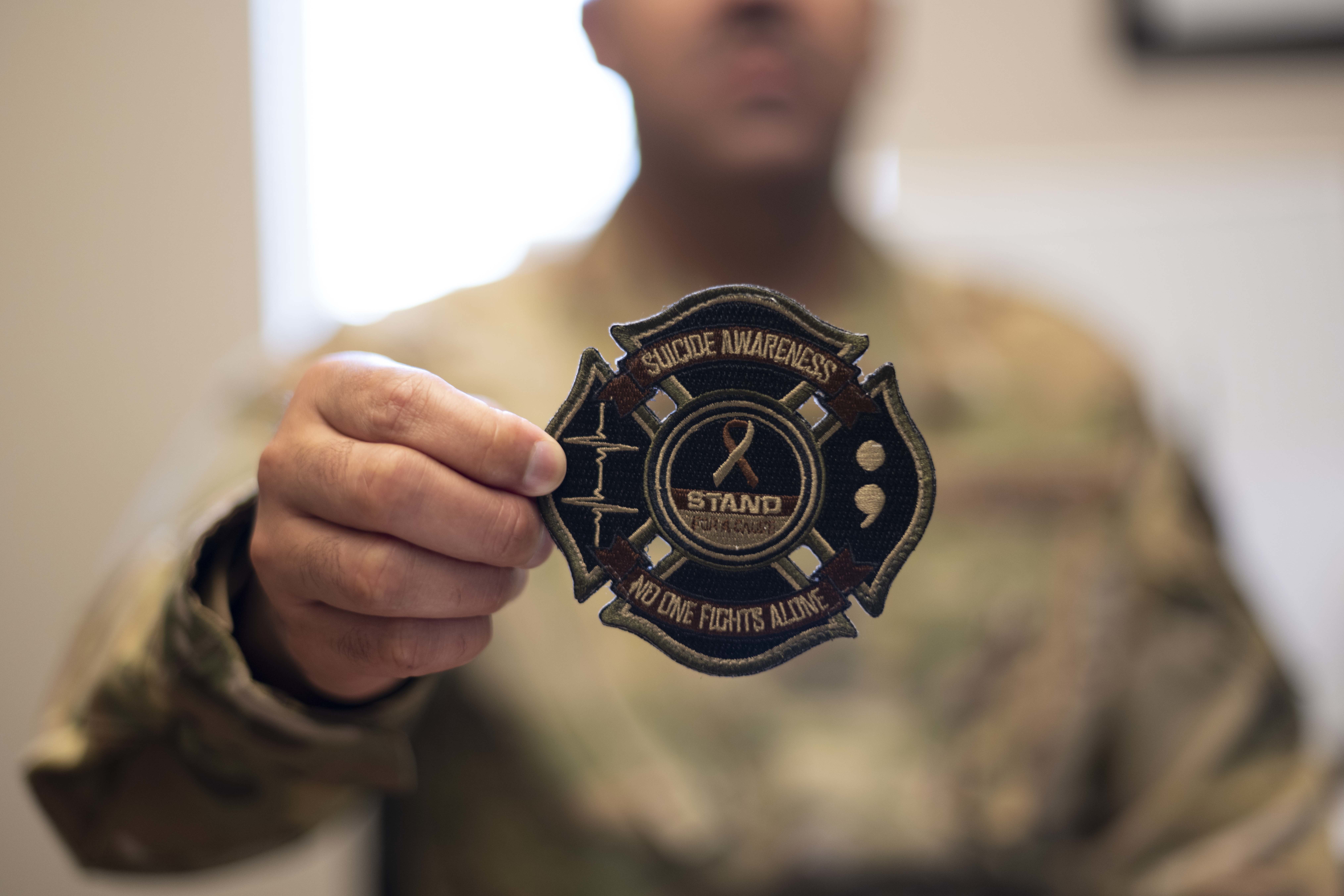
Despite higher military suicide rates since 2011, most services do not have accountability measures to ensure troops complete required prevention training.
The persistent rise in military suicide rates since 2011 highlights an ongoing crisis, with increasing public and institutional pressure for effective solutions and accountability.
This indicates a critical failure in military welfare systems that impacts readiness, morale, and public trust, suggesting deeper systemic issues within military personnel management.
The admission of lacking accountability for prevention training effectiveness suggests a shift towards re-evaluating and potentially overhauling mental health support structures within the armed forces.
- · Mental health support providers
- · Military welfare advocates
- · Veterans' organizations
- · Military leadership (current accountability)
- · Defence readiness
- · Military recruiting efforts
Increased scrutiny and funding allocation for military mental health programs.
Revision of suicide prevention training protocols and implementation of mandatory efficacy tracking mechanisms.
A potential shift in military culture towards greater openness about mental health and a reduction in stigma, positively impacting long-term recruitment and retention.
This signal links to a primary source. Continuum Brief monitors and indexes it as part of the live intelligence stream — we do not republish source content.
Read at Army Times