Amid rising military suicides, services can’t tell if prevention training is effective
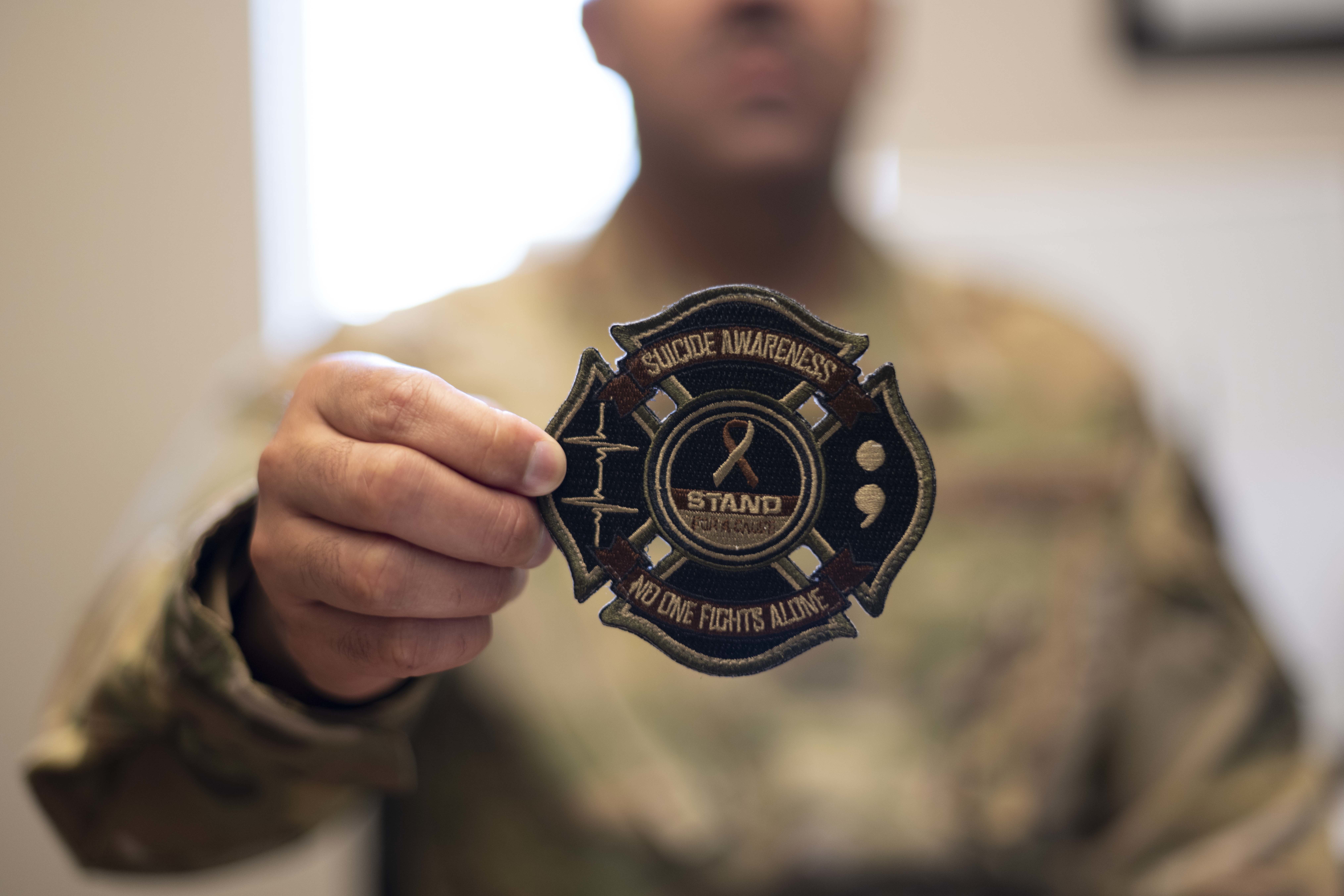
Despite higher military suicide rates since 2011, most services do not have accountability measures to ensure troops complete required prevention training.
The persistent rise in military suicide rates since 2011 highlights an ongoing systemic failure in prevention accountability.
This indicates a critical vulnerability within military personnel management and readiness, potentially impacting social cohesion and effectiveness.
The explicit acknowledgment of lacking accountability for prevention training forces a re-evaluation of current mental health strategies and oversight.
- · Defence mental health programs
- · Military oversight committees
- · Prevention training technology providers
- · Military recruitment and retention
- · Service members' morale and well-being
- · Current military leadership
Increased scrutiny and demand for effective mental health and suicide prevention programs within the military.
Implementation of new, trackable prevention training modules and potential re-allocation of resources to mental health support.
A shift in military culture to prioritize mental wellness and accountability, potentially improving overall force readiness and public trust.
This signal links to a primary source. Continuum Brief monitors and indexes it as part of the live intelligence stream — we do not republish source content.
Read at Navy Times