Amid rising military suicides, services can’t tell if prevention training is effective
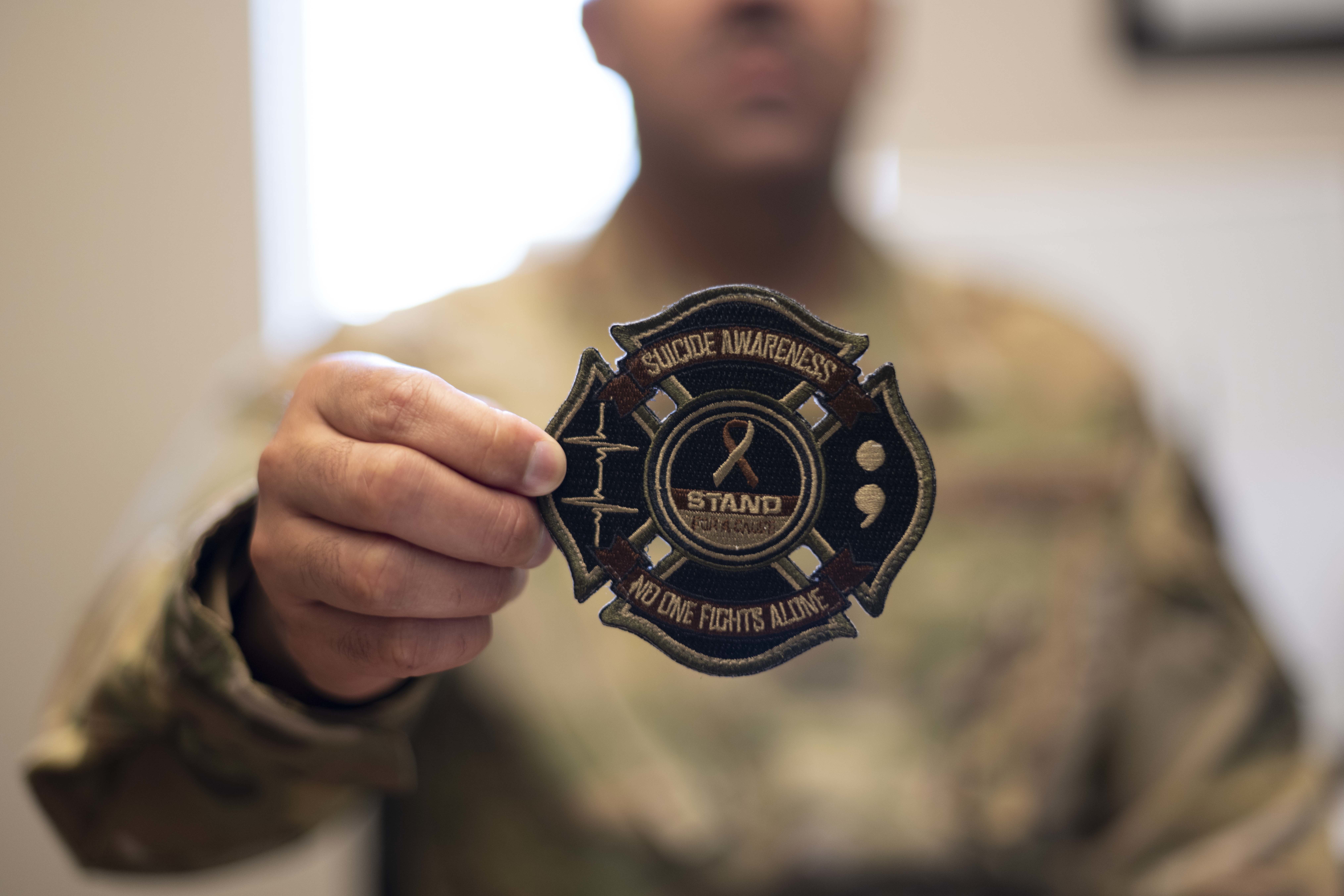
Despite higher military suicide rates since 2011, most services do not have accountability measures to ensure troops complete required prevention training.
The persistent rise in military suicide rates since 2011 highlights an ongoing, systemic failure in mental health support and prevention within the armed forces, brought to the forefront by continued reporting.
A strategic reader should care about the efficacy and accountability of military prevention programs, as troop well-being directly impacts readiness, morale, and long-term force retention, reflecting systemic organizational health. Failed prevention indicates significant human capital erosion and potential operational fragilities.
The explicit acknowledgment of a lack of accountability measures means that current prevention training is likely ineffective at best and a performative exercise at worst, highlighting a critical gap in addressing a worsening problem.
- · Mental Health Tech Providers (specialized)
- · Policy Reformers
- · Military Families (if changes occur)
- · Military Leadership (current approach)
- · Military Personnel (suffering)
- · Defence Budgets (ineffective spending)
Increased scrutiny and potential legislative pressure for the military to implement quantifiable metrics and accountability for suicide prevention programs.
A shift in defence spending allocations towards more evidence-based mental health interventions and technologies, potentially involving private sector innovation.
Long-term changes in military culture to prioritize mental health as much as physical health, impacting recruitment, training, and retention strategies.
This signal links to a primary source. Continuum Brief monitors and indexes it as part of the live intelligence stream — we do not republish source content.
Read at Air Force Times