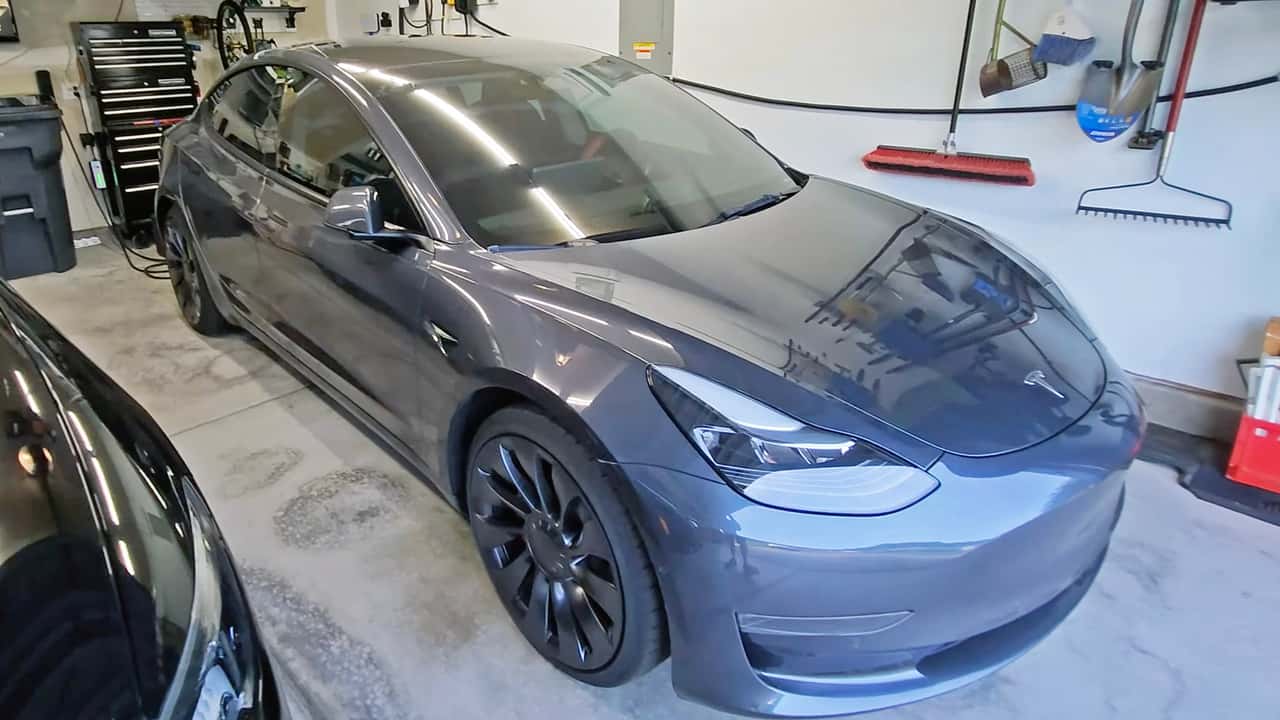
A four-year-old Model 3 Performance scored 88% battery health in Tesla's own test—lower than its owner expected, but close to a prediction by a third-party app.
The increasing age of early EV models brings real-world data on battery degradation, which can now be cross-referenced with manufacturer claims and third-party assessments.
This highlights the ongoing challenge of accurate battery health diagnostics and transparency, which is crucial for consumer confidence, EV resale values, and the grid integration of used batteries.
The discrepancy between car-reported and app-flagged battery health suggests an emerging market for independent battery diagnostics and potential shifts in how EV manufacturers communicate battery longevity.
- · Third-party diagnostic companies
- · Battery repair/refurbishment market
- · EV aftermarket
- · EV manufacturers with opaque battery health metrics
- · Consumers relying solely on manufacturer data
Increased scrutiny on EV battery warranty claims and manufacturer diagnostics will likely follow this type of reporting.
A more robust third-party ecosystem for battery health assessment could emerge, influencing resale markets and insurance models for EVs.
Standardized, transparent, and verifiable battery health metrics might become an industry norm, potentially impacting battery design and manufacturing incentives for longevity.
This signal links to a primary source. Continuum Brief monitors and indexes it as part of the live intelligence stream — we do not republish source content.
Read at InsideEVs