An artificial cell with a full lifecycle has been created for the first time
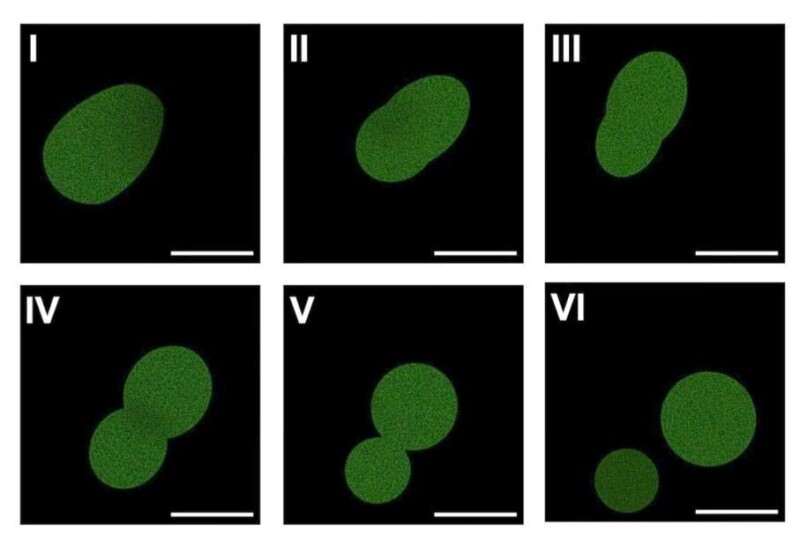
SpudCell can feed, divide, and even outcompete its siblings. It's not truly alive, its creator tells us, but it could still transform the bioengineering world
Advances in bioengineering and synthetic biology have reached a critical maturity, enabling the creation of complex, self-sustaining artificial biological systems.
This development marks a significant step towards fully programmable biological systems with profound implications for medicine, manufacturing, and our understanding of life itself.
The ability to create artificial cells with full life cycles opens new avenues for bespoke biological design, moving beyond mere modification of existing organisms.
- · Bioengineering companies
- · Pharmaceuticals
- · Material science
- · Academic research institutions
- · Traditional chemical manufacturing
- · Obsolete drug discovery methods
The creation of SpudCell demonstrates a new foundational capability in synthetic biology.
This could lead to personalized bio-factories for drug production or novel industrial bioreactors.
Ethical and regulatory frameworks around engineered life will need to evolve rapidly to address increasingly autonomous biological constructs.
This signal links to a primary source. Continuum Brief monitors and indexes it as part of the live intelligence stream — we do not republish source content.
Read at The Register