Preprint: https://scrollprize.org/pdf/main.pdf https://github.com/ScrollPrize/villa Comments URL: https://news.ycombinator.com/item?id=48675179 Points: 382 # Comments: 99
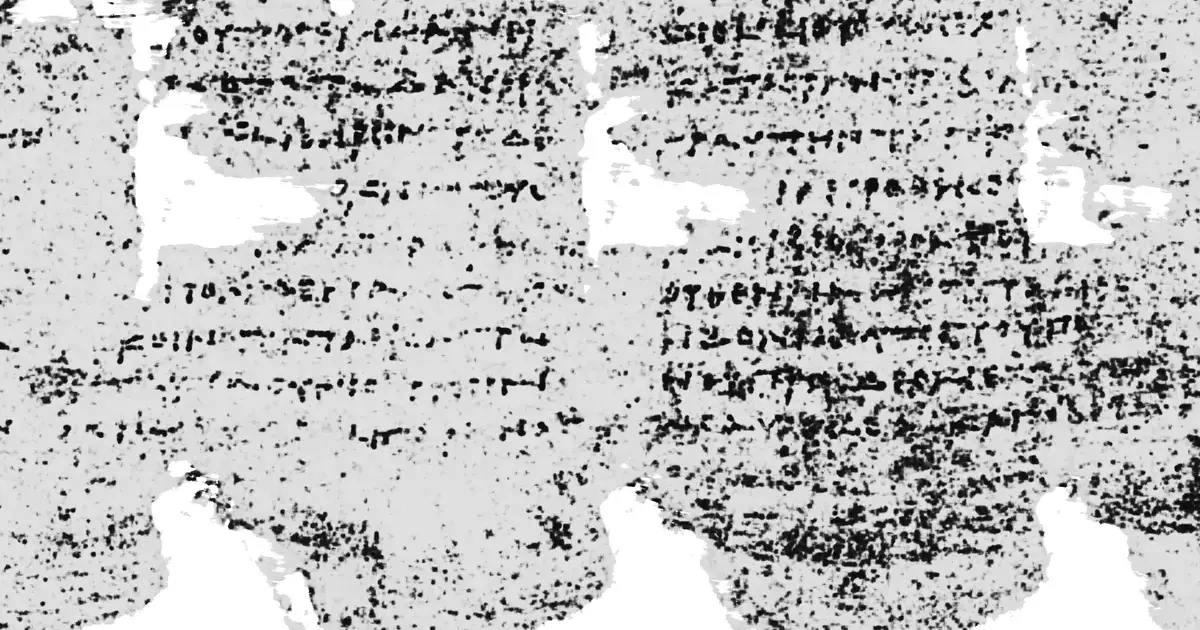
Advances in AI, specifically computer vision and machine learning applied to ancient text, have reached a critical threshold allowing for the deciphering of previously unreadable artifacts.
This breakthrough demonstrates the transformative power of AI in unlocking historical knowledge, potentially rewriting understanding of ancient civilizations and accelerating research in related fields.
Previously inscrutable historical documents can now be read without physical destruction, opening new avenues for archaeological and historical study, and validating AI's capability in complex data interpretation.
- · Archaeology
- · History
- · AI/ML researchers
- · Cultural preservation
- · Traditional destructive analysis methods
The content of the Herculaneum scroll is now accessible for scholarly analysis.
Similar unreadable artifacts globally will become targets for AI-driven decipherment efforts, leading to a surge in historical discoveries.
The methodology could be adapted for other forms of damaged or obscured data, catalyzing innovations in data recovery and analysis across various disciplines.
This signal links to a primary source. Continuum Brief monitors and indexes it as part of the live intelligence stream — we do not republish source content.
Read at Hacker News — Front Page