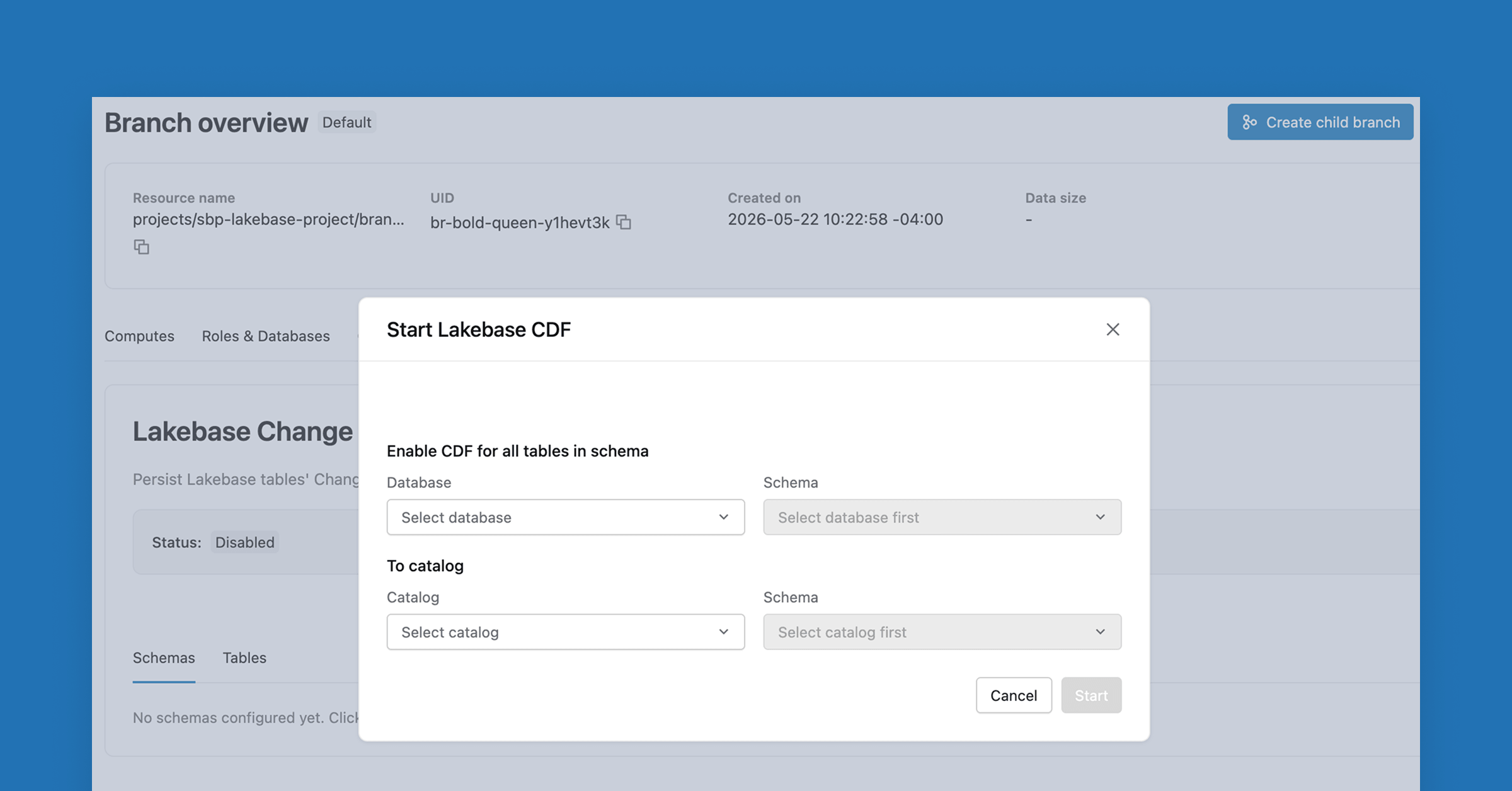
Moving data from your operational database has traditionally meant setting up and...
Databricks is expanding its product offerings to address common data integration challenges, reflecting ongoing trends in cloud data management and the need for more efficient data pipelines.
This announcement simplifies data synchronization and movement for businesses, enabling more real-time analytics and reducing the complexity and cost associated with traditionally fragmented data integration methods.
Data movement from operational databases to analytical platforms becomes more streamlined and efficient, reducing manual setup and maintenance for data engineers.
- · Databricks
- · Businesses with complex data pipelines
- · Data engineers
- · Traditional ETL tool vendors (to some extent)
- · Companies reliant on batch processing for fresh data
Companies can achieve closer to real-time analytics by readily syncing operational data.
Improved data freshness leads to faster business insights and more responsive operational systems.
The reduced friction in data integration could accelerate the adoption of data-intensive AI applications across industries.
This signal links to a primary source. Continuum Brief monitors and indexes it as part of the live intelligence stream — we do not republish source content.
Read at Databricks Blog