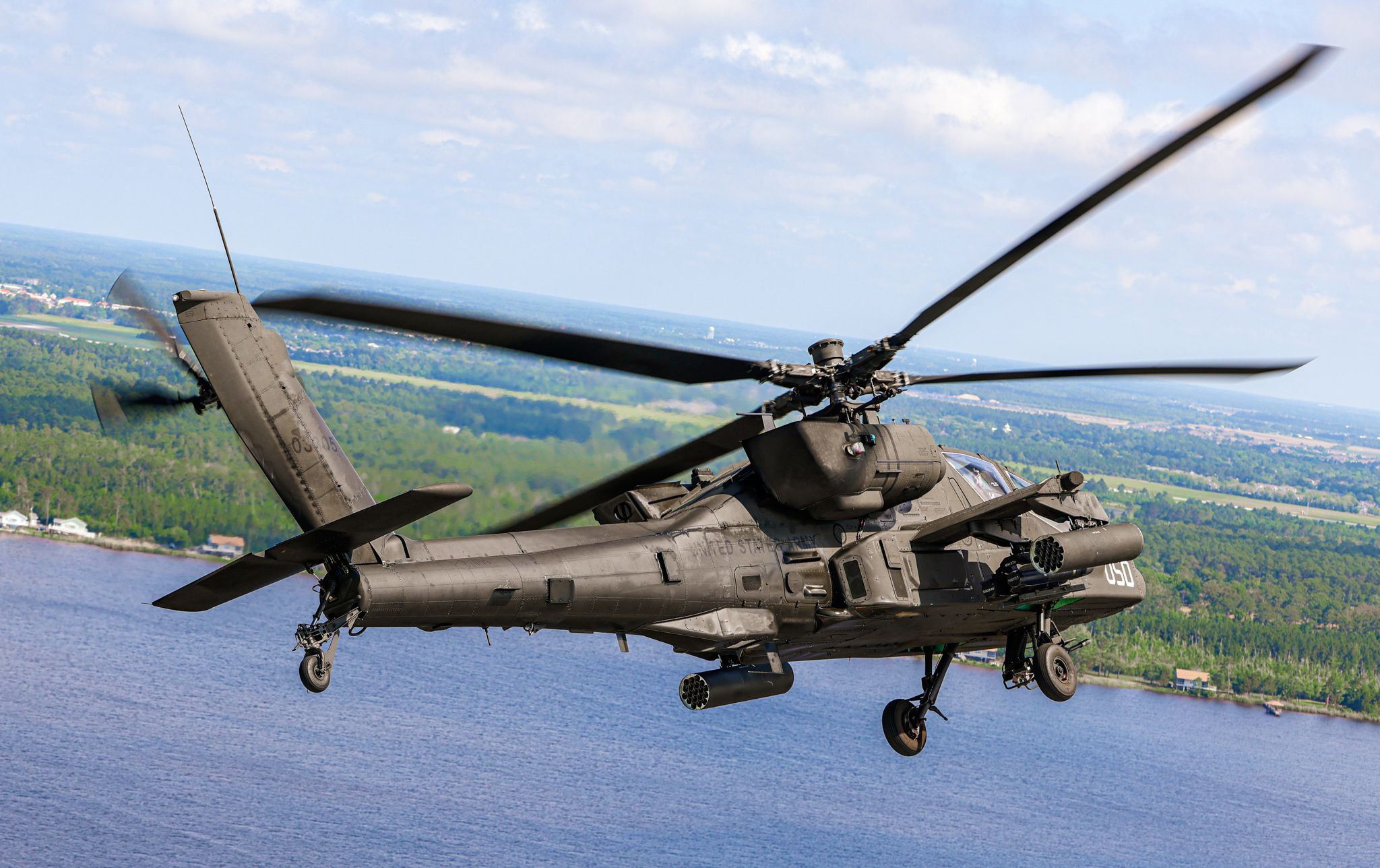
Experts say the U.S. Army Apache that went down near Oman offers a snapshot into how air assets must now contend with cheaper, rapidly evolving drones.
The incident highlights the increasing capabilities and proliferation of lower-cost drone technology, which can now challenge traditional, more expensive air assets, forcing an immediate reevaluation of air combat strategies.
This event forces defense establishments to rapidly adapt their procurement and combat doctrines to incorporate countermeasures against ubiquitous, affordable drone threats, significantly impacting military spending and R&D priorities.
The perceived invulnerability and cost-effectiveness of traditional high-end air platforms are diminished, leading to a renewed focus on integrated air defense systems and swarm tactics involving cheaper autonomous systems.
- · Drone manufacturers (small, attritable)
- · Counter-UAS technology developers
- · Defense software companies (AI, autonomy)
- · Manufacturers of traditional costly air assets
- · Military branches slow to adapt doctrine
- · Legacy air defense systems
Increased investment in drone defense and offense capabilities across militaries worldwide.
Accelerated shift in defense budgets from large crewed platforms to networked autonomous systems and distributed defense structures.
Potential for non-state actors to achieve significant tactical parity or overmatch against conventional forces through asymmetric drone warfare.
This signal links to a primary source. Continuum Brief monitors and indexes it as part of the live intelligence stream — we do not republish source content.
Read at Defense News