Apple made marketing gold from the Power Mac G4 'supercomputer' export ban in 1999 — Pentagon banned sales of the 400 MHz G4 in 50 countries when it launched and became the first PC to be classed as a weapon
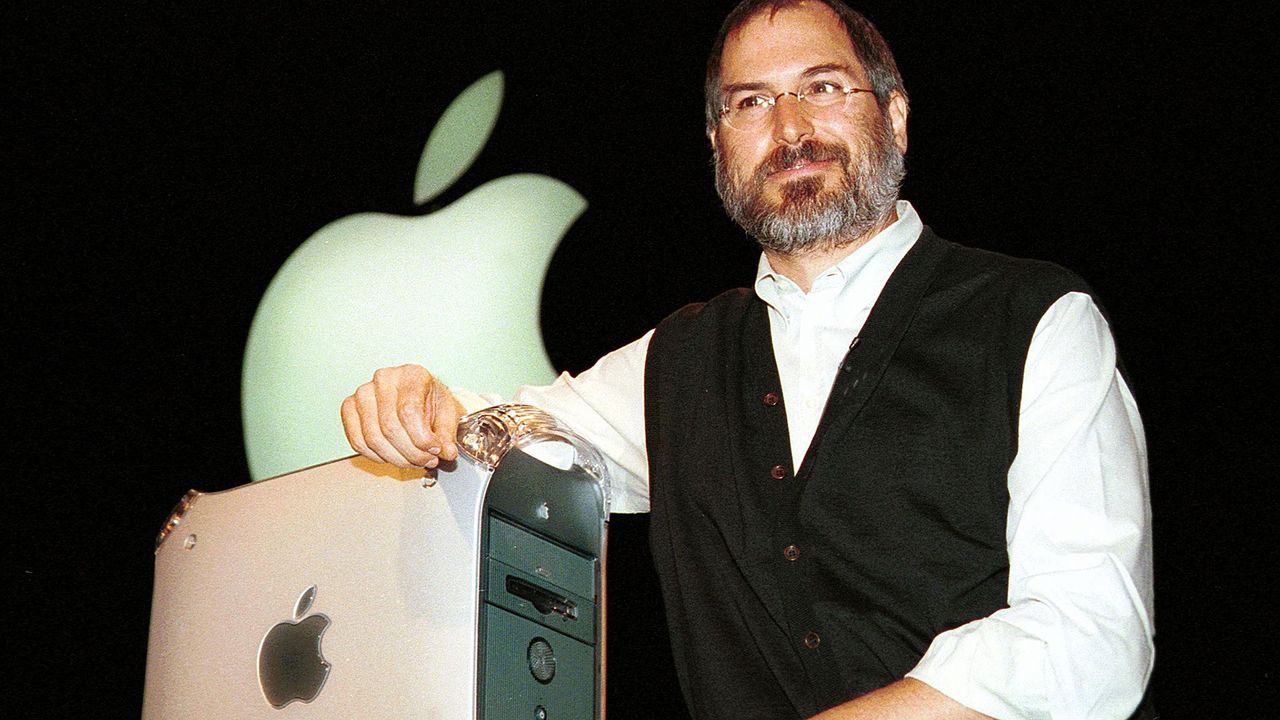
In the context of the recent tech export bans, we look back at the Apple PowerMac G4 export ban from 1999 and Steve Jobs making marketing gold from the situation.
The recent increase in tech export restrictions brings the historical Apple PowerMac G4 export ban back into analytical relevance as a precedent for dual-use technology classification.
This event highlights the long-standing tension between technological advancement, commercial interests, and national security concerns, influencing today's geopolitical strategies around compute export control.
The historical precedent reinforces the categorization of powerful general-purpose computing as a strategic asset, shifting the perception of high-performance consumer technology from purely commercial to potentially dual-use.
- · Apple (historically)
- · Domestic high-tech industries in restricting nations
- · Marketing departments capitalizing on scarcity
- · Global technology companies reliant on open markets
- · Consumers in restricted countries
- · Commercial innovation without strategic national interest alignment
Export controls are regularly applied to dual-use technologies, impacting global supply chains and market access.
Nations accelerate domestic compute and AI development to mitigate dependency on foreign technologies subject to export bans.
The definition of 'weaponized' technology expands to include general-purpose compute, leading to a more fractured global technology ecosystem.
This signal links to a primary source. Continuum Brief monitors and indexes it as part of the live intelligence stream — we do not republish source content.
Read at Tom's Hardware