Apple’s Orwellian device controls for tots also mean more work for parents
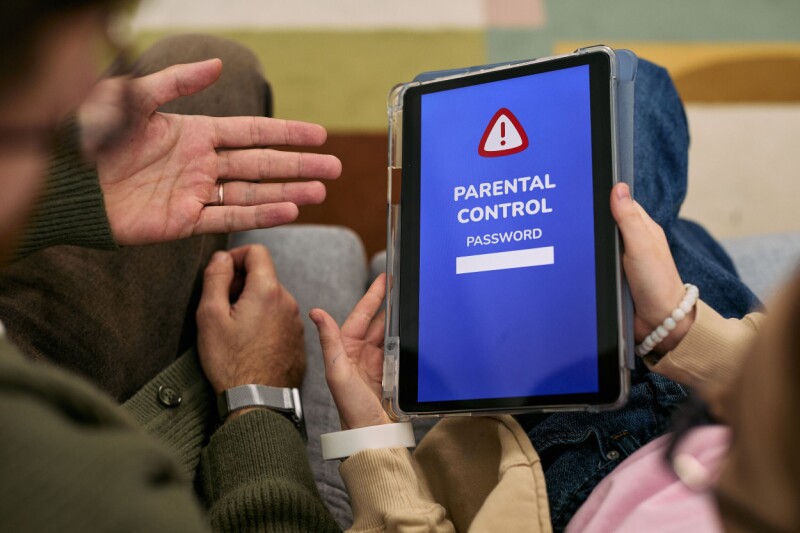
The new features ignore the argument that if parents wanted to spend more time on their kids, they wouldn't have supplied them with an iPad or iPhone in the first place.
The continuous evolution of personal technology, particularly devices given to children, prompts ongoing discussions and feature releases regarding digital control and parental oversight.
This highlights the growing tension between device utility, parental responsibility, and the potential for technology to create more, rather than less, work for users, impacting the perceived value and adoption of such features.
Apple is introducing device control features designed for children, implicitly shifting more management burden onto parents, which could influence future product development and user experience design in the personal tech sector.
- · Digital parenting software providers
- · Apple (if features are widely adopted)
- · Parents seeking less screen dependence
- · Children seeking device autonomy
Parents will spend more time configuring and monitoring device settings for their children.
This might drive some parents to seek alternative, less demanding digital solutions for their children or reconsider device provision altogether.
The increased burden could contribute to broader societal fatigue with managing personal technology, potentially influencing market demand for simpler, 'dumb' devices.
This signal links to a primary source. Continuum Brief monitors and indexes it as part of the live intelligence stream — we do not republish source content.
Read at The Register