Apple sues OpenAI over alleged theft of trade secrets — claims company mentored incoming employees on bringing confidential information
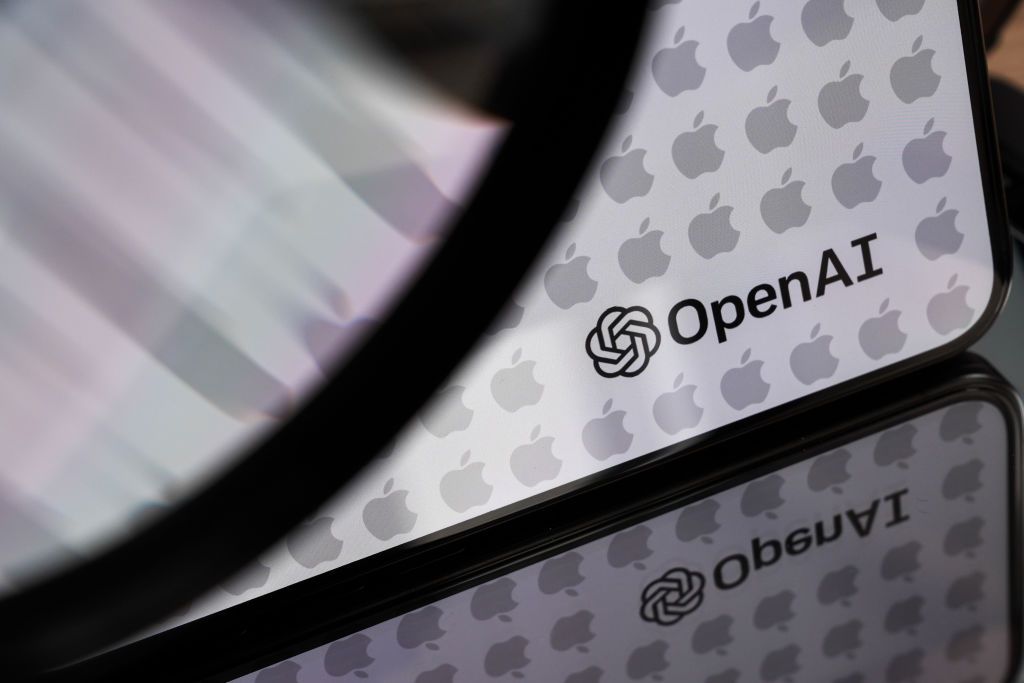
Apple sued OpenAI, including its own former employees, over the theft of trade secrets as both companies build up AI hardware businesses.
The accelerating race to dominate the AI hardware and software landscape intensifies competition, leading to aggressive protection of intellectual property.
This lawsuit highlights the increasing value of AI-related trade secrets and the lengths companies will go to protect them, impacting talent mobility and industry collaboration.
The legal battle between Apple and OpenAI sets a precedent for how IP and talent are managed in the burgeoning AI sector, potentially chilling hiring practices and partnership dynamics.
- · Legal firms specializing in IP
- · Companies with robust IP protection strategies
- · OpenAI
- · Employees moving between rival AI firms
- · AI startups relying on talent poaching
Increased scrutiny on departing employees and non-disclosure agreements in the tech sector.
A potential slowdown in the rapid talent migration between leading AI companies due to legal risks.
Enhanced efforts by companies to develop internal AI talent rather than relying on external hires, leading to more insular development.
This signal links to a primary source. Continuum Brief monitors and indexes it as part of the live intelligence stream — we do not republish source content.
Read at Tom's Hardware