Application engineering for assembly systems is quietly becoming manufacturing’s biggest competitive edge
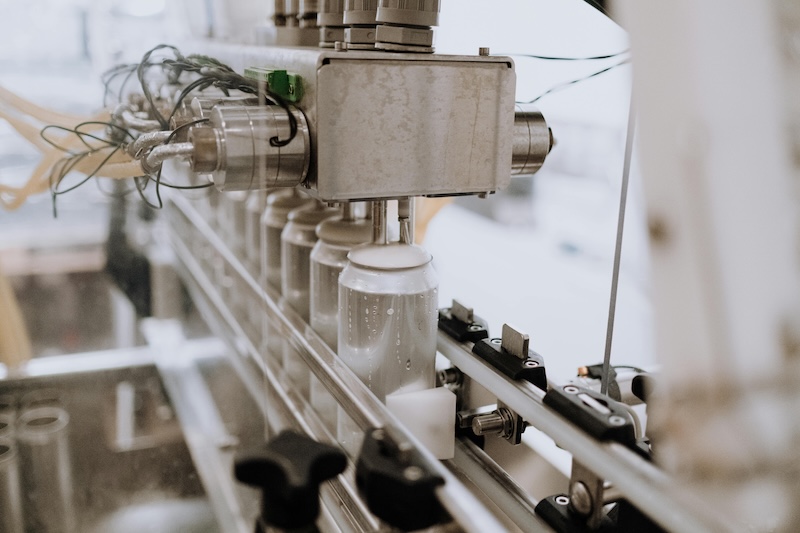
Manufacturing isn’t just about machines anymore. Now, success relies on engineering those machines well, keeping them connected and adjusting them to match what’s actually happening on the factory floor. Application engineering for assembly systems is pushing this change, especially as factories aim for higher output while cutting errors. Companies like Atlas Copco are all in, […]
The increasing pressure for higher output and error reduction in manufacturing, combined with advancements in connectivity and automation, makes application engineering a critical differentiator now.
This shift highlights that competitive advantage in manufacturing is moving beyond simply acquiring machines to optimizing their integration and dynamic adjustment, demanding a new set of engineering skills and strategic foresight.
Manufacturing success is no longer solely about machine acquisition, but about the intelligent engineering, connectivity, and adaptive management of assembly systems to maximize efficiency and reduce errors.
- · Application engineering firms
- · Automation companies (e.g., Atlas Copco)
- · Manufacturers adopting advanced integrated systems
- · Software providers for industrial automation
- · Manufacturers relying solely on traditional, disconnected systems
- · Manual labor in assembly lines without re-skilling
- · Suppliers of less integrated or 'dumb' machinery
Increased investment in application engineering talent and software for manufacturing facilities.
Consolidation in the industrial automation sector as companies acquire specialized application engineering capabilities.
The emergence of new educational pathways and certifications focused on industrial application engineering and systems integration.
This signal links to a primary source. Continuum Brief monitors and indexes it as part of the live intelligence stream — we do not republish source content.
Read at Robotics & Automation News