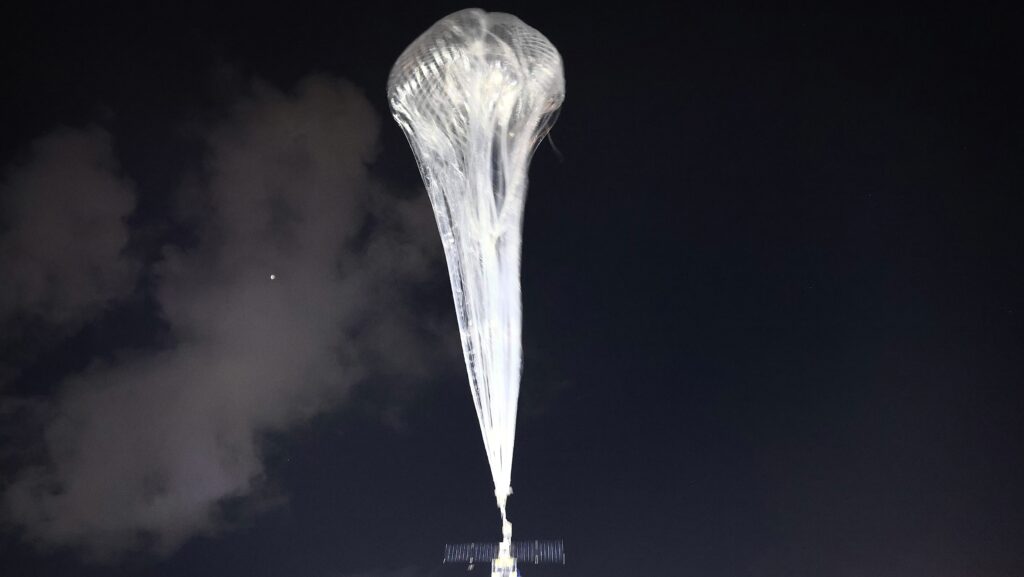
The Wallabee prototype is set to provide the Army and the J-7 with more intelligence gathering capabilities in the stratosphere.
The US Army is actively pursuing enhanced intelligence gathering capabilities and exploring new technological platforms in response to evolving geopolitical competition and the need for more persistent situational awareness.
This development indicates a tangible step towards recapitalizing defense intelligence assets with innovative, potentially lower-cost, and more agile solutions, impacting future military ISR strategies and procurement.
The Army is directly testing and integrating new sensor technology on high-altitude platforms, moving intelligence gathering beyond traditional satellite and aerial assets into the stratosphere.
- · US Army
- · Defence Tech Sector
- · High-altitude platform developers
- · Intelligence analysts
- · Adversary forces (due to enhanced surveillance)
- · Legacy ISR platforms (potentially reduced reliance)
The test provides valuable data on the efficacy and utility of stratospheric intelligence gathering.
Successful integration could lead to widespread adoption of high-altitude balloons for persistent ISR, creating a new segment in defense technology.
This could spark an arms race in stratospheric control and counter-surveillance technologies among global powers.
This signal links to a primary source. Continuum Brief monitors and indexes it as part of the live intelligence stream — we do not republish source content.
Read at Breaking Defense