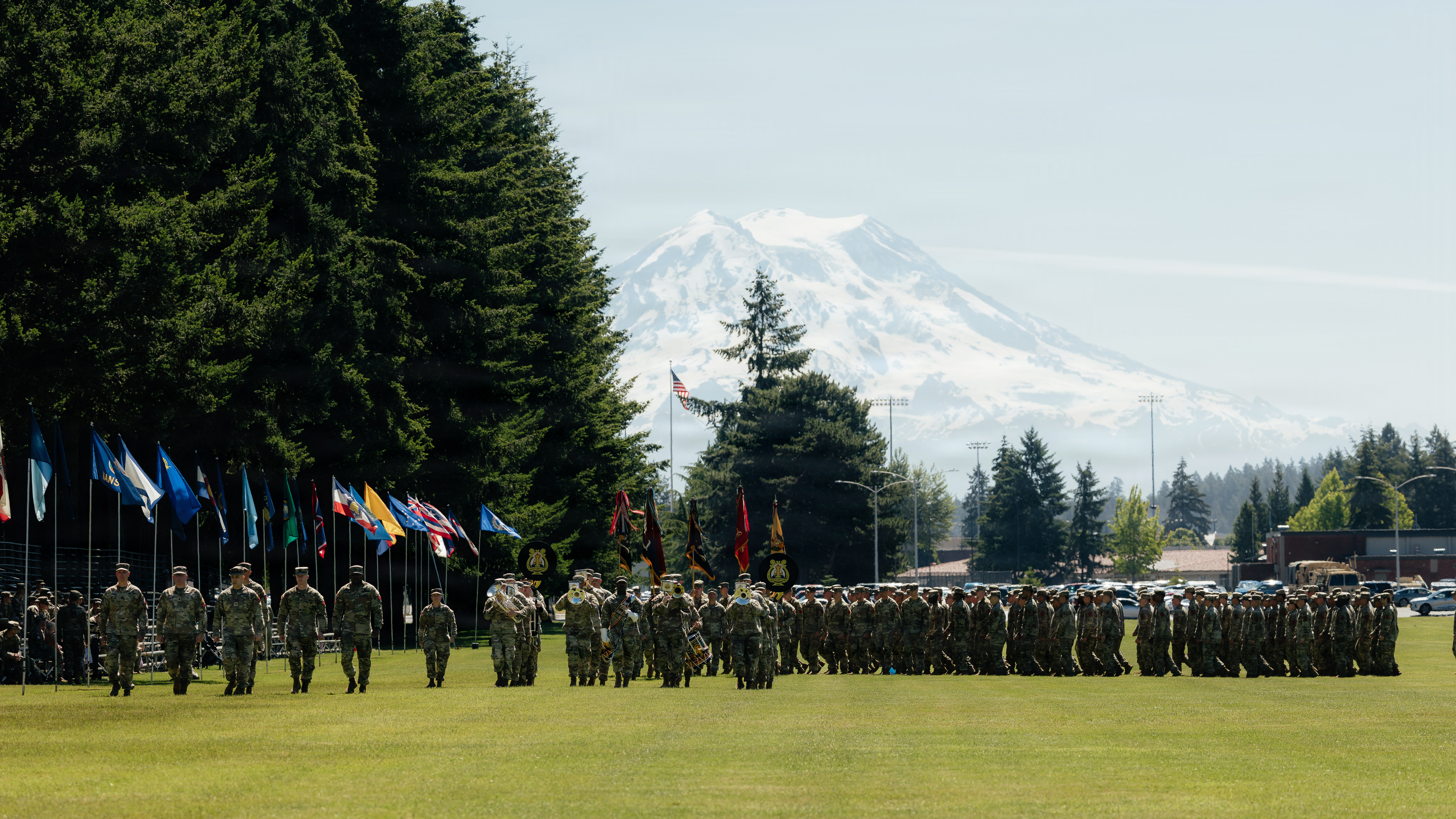
The move combines traditional formations with some of the service’s cyber, space, unmanned systems and electronic warfare capabilities.
Geopolitical tensions in the Indo-Pacific region are escalating, driving military forces to integrate advanced technologies for deterrence and potential conflict.
This move signifies a proactive approach to modern warfare, integrating cyber, space, and AI capabilities into traditional military structures to gain a strategic advantage.
The operational structure of the Army in the Indo-Pacific now explicitly prioritizes advanced technological integration for multi-domain operations, rather than treating them as separate support functions.
- · US Army
- · Defense Tech Industry
- · Cyber Warfare Contractors
- · Traditional Military Contractors (slow to adapt)
- · Adversaries with purely conventional forces
Increased funding and development for integrated cyber, space, and AI military technologies.
Other nations will likely follow, accelerating a global arms race in multi-domain capabilities.
The definition of military 'readiness' will fundamentally shift towards technological superiority and integration, rather than just troop numbers or hardware.
This signal links to a primary source. Continuum Brief monitors and indexes it as part of the live intelligence stream — we do not republish source content.
Read at Defense News