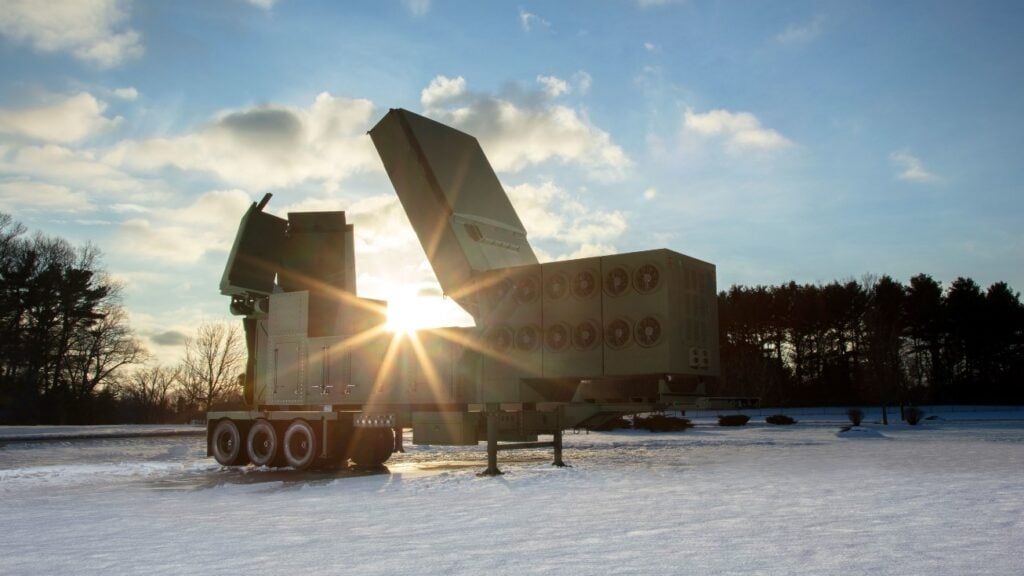
The hackathon now allows the Army to take new systems and work them into command and control structures to sync up with radars and sensors, all of which have previously never communicated with each other, according to Army Secretary Dan Driscoll.
The increased pace of technological development and the need for rapid integration of new capabilities in military operations, especially in contested environments, necessitates agile development methods like hackathons.
This indicates a significant shift in military procurement and integration strategies, prioritizing speed and adaptability over traditional, slower processes, directly impacting operational effectiveness and the defence industrial base.
The Army is actively deploying 'jailbroken' and rapidly developed systems directly into field operations, bypassing conventional acquisition timelines and fostering emergent, interconnected command and control structures.
- · Defence tech startups
- · Agile software development firms
- · US Army (operational capability)
- · Cybersecurity firms
- · Traditional defence contractors (slow to adapt)
- · Bureaucratic acquisition processes
- · Adversaries with rigid C2 systems
Faster deployment of advanced military technologies and improved battlefield awareness through integrated systems.
Increased cyberattack surface and potential vulnerabilities due to the rapid integration of less rigorously tested systems.
A competitive push for other militaries to adopt similar agile development and deployment strategies, fostering a new defence tech arms race.
This signal links to a primary source. Continuum Brief monitors and indexes it as part of the live intelligence stream — we do not republish source content.
Read at Breaking Defense