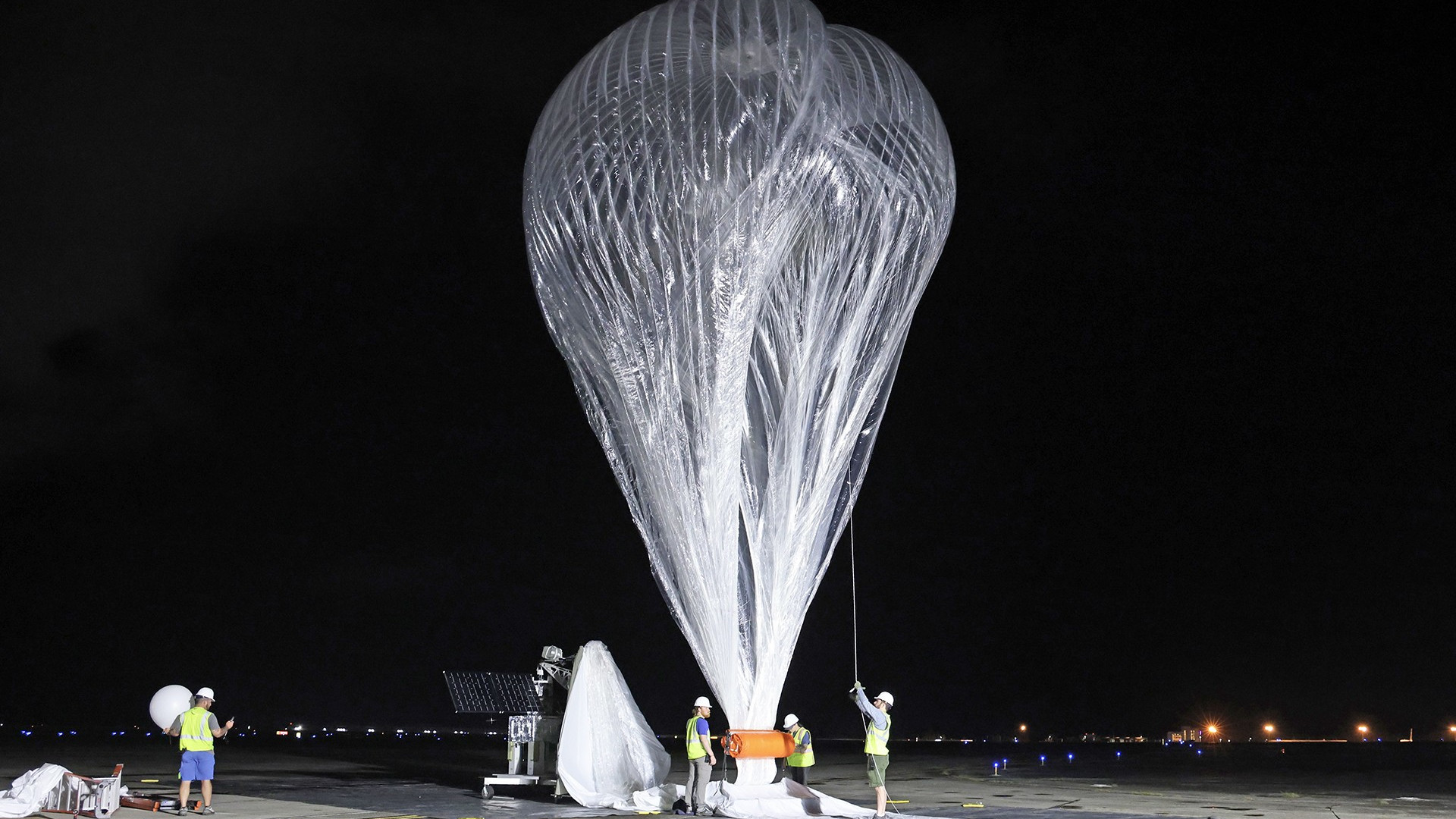
High-altitude balloons are an increasingly critical part of the Army's future combat strategy, from providing networking to sensing to delivering kinetic effects. The post Army Wants More Sensor-Laden Surveillance Balloons Over The Pacific appeared first on The War Zone .
The increasing geopolitical competition in the Indo-Pacific and the need for persistent, cost-effective surveillance solutions are driving this renewed interest in high-altitude balloons.
This indicates a strategic pivot towards diversifying sensor platforms and enhancing domain awareness in critical regions, potentially at a lower cost than traditional air assets.
The U.S. Army is expanding its application of high-altitude balloons beyond traditional roles to include networking, advanced sensing, and potentially kinetic effects delivery.
- · Aerospace & Defense contractors specializing in stratospheric platforms
- · Sensor technology developers
- · U.S. military logistics and command structures
- · Indo-Pacific allied nations
- · Traditional satellite-based surveillance providers (relative to cost)
- · Adversarial nations relying on stealth against conventional air assets
- · High-cost, manned airborne surveillance platforms
Increased deployment of high-altitude surveillance platforms over the Indo-Pacific.
Development of countermeasures by adversaries against persistent, high-altitude surveillance assets.
Potential for swarm intelligence and AI-driven networking between balloon platforms and other military assets, forming a distributed sensor-shooter network.
This signal links to a primary source. Continuum Brief monitors and indexes it as part of the live intelligence stream — we do not republish source content.
Read at The War Zone