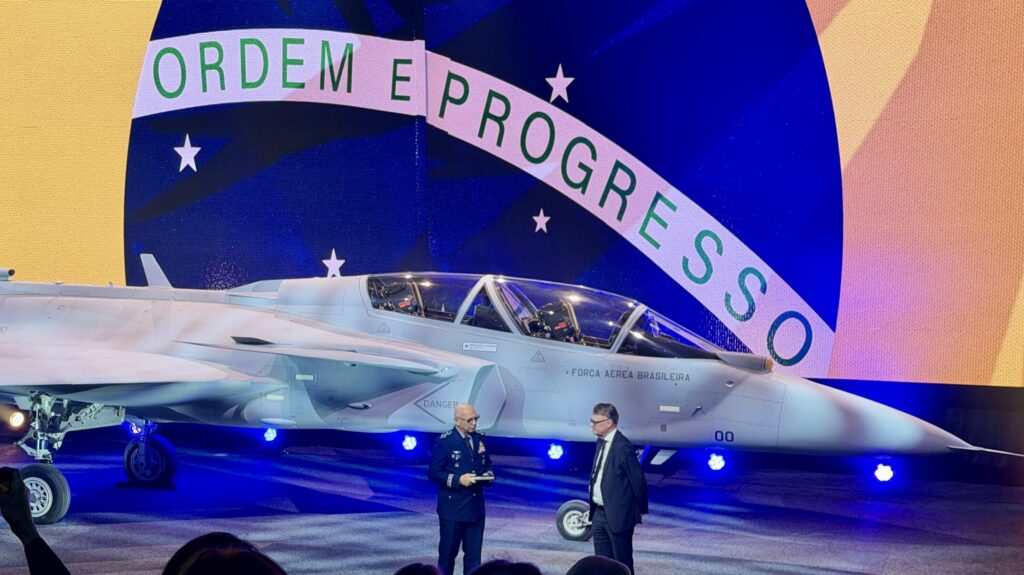
While Embraer is partnered with Saab to manufacture the Swedish jet, Embraer CEO Francisco Gomes Neto said the fighter market “is not a place that we want to go to,” adding that the company is “studying other segments first.”
Global geopolitical tensions and ongoing conflicts are driving a significant increase in demand for defence capabilities, prompting companies like Embraer to re-evaluate their strategic involvement in defence manufacturing.
This indicates a recalibration of Embraer's defence strategy, acknowledging the growing but complex fighter market while prioritizing its existing strengths and exploring other segments for growth.
Embraer's explicit statement limits its long-term aspirations in the fighter jet market, while simultaneously broadening its engagement in defence workshares, impacting its future product portfolio and partnerships.
- · Embraer
- · Brazilian defence industry
- · Saab
- · Global defence sector
- · New fighter jet competitors
- · Companies relying on Embraer for full fighter jet development
Embraer will likely deepen its workshare on existing defence programs and potentially expand into other high-demand defence tech segments.
This strategic focus could position Embraer as a critical component supplier and partner in multinational defence projects rather than a primary developer of complete fighter platforms.
The move might lead to further consolidation in the global fighter market, with fewer major players developing full platforms and more specialized firms contributing subsystems.
This signal links to a primary source. Continuum Brief monitors and indexes it as part of the live intelligence stream — we do not republish source content.
Read at Breaking Defense — Air