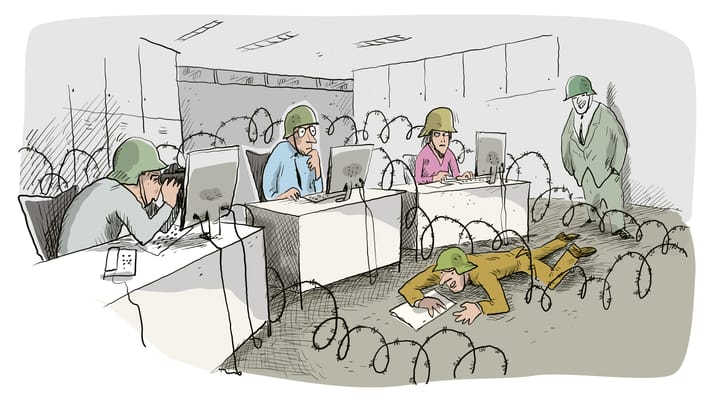
The fate of a Ukrainian tax software company shows how modern cyberwarfare can claim casualties far beyond the battlefield, and how businesses across the ocean still need to protect themselves.
The ongoing conflict in Ukraine continues to highlight the expanding scope of warfare into the digital realm, now directly impacting civilian infrastructure and businesses globally.
This incident underscores that businesses, regardless of geographical distance from conflict zones, are increasingly vulnerable to state-sponsored cyberattacks, demanding robust defensive strategies.
The definition of wartime casualties has expanded to include enterprises severely impacted by cyber warfare, forcing a re-evaluation of national security and corporate risk frameworks.
- · Cybersecurity industry
- · National intelligence agencies
- · Companies with advanced cyber defenses
- · Businesses in conflict-adjacent sectors
- · Small to medium businesses with weak cybersecurity
- · Civilian infrastructure reliant on outdated software
Companies will increase investment in cybersecurity measures and incident response planning.
Governments may establish new international norms and frameworks for cyber warfare to protect critical civilian infrastructure.
The insurance industry could develop new, more comprehensive cyberwarfare-specific policies, altering enterprise risk management across sectors.
This signal links to a primary source. Continuum Brief monitors and indexes it as part of the live intelligence stream — we do not republish source content.
Read at Dark Reading