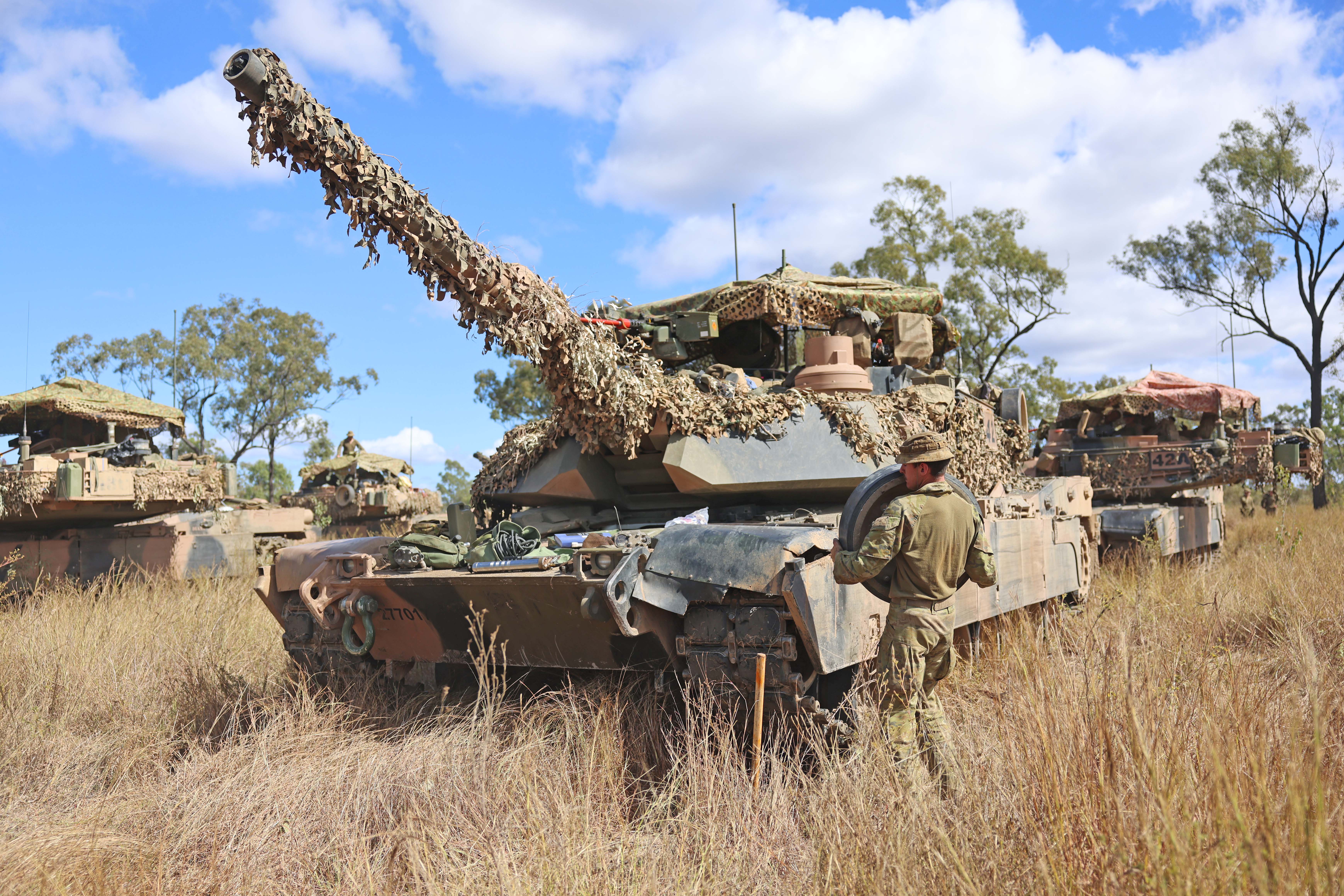
The formation is expected to burn through 300,000 liters of diesel per day during high-intensity operations, compared with 40,000 liters previously.
The Australian Army is significantly upgrading its armoured capabilities in response to evolving geopolitical realities in the Asia Pacific, necessitating a re-evaluation of logistical requirements.
This highlights the immense logistical burden and resource intensity of modern, high-intensity warfare, particularly for armoured units, impacting defence budgets and strategic planning.
Militaries are shifting from lighter expeditionary forces to more heavily armoured formations, leading to vastly increased demands for fuel and ammunition, which strains supply chains and infrastructure.
- · Defence contractors (logistics, fuel, ammunition)
- · Oil and gas industry
- · Military logistics companies
- · Treasuries (increased defence spending)
- · Light infantry doctrines
The Australian Army faces a substantial increase in operational costs and logistical complexity for its armoured brigades.
Other allied nations may re-evaluate their own armoured force logistics and energy dependencies.
This could accelerate research into more fuel-efficient or alternative-energy defence platforms to reduce logistical tails.
This signal links to a primary source. Continuum Brief monitors and indexes it as part of the live intelligence stream — we do not republish source content.
Read at Defense News