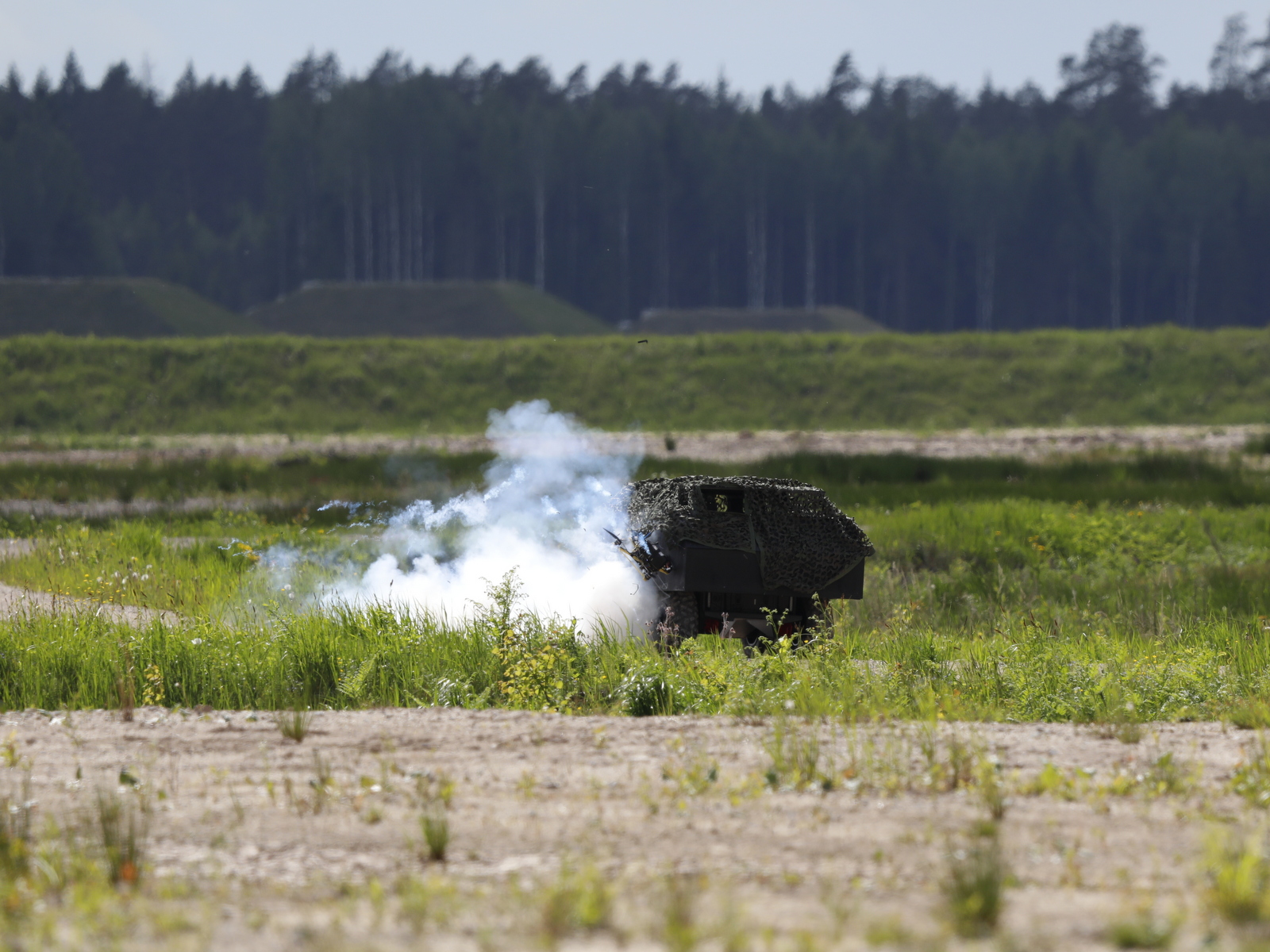
Drone technology is “a couple of steps ahead” of countermeasures, one officer said, with interceptors having to work every time to prevent losses.
The ongoing conflict in Ukraine has highlighted the critical role of drone warfare and the urgent need for effective countermeasures, driving accelerated development and testing in NATO countries.
This item underscores the persistent technological gap in counter-drone capabilities, indicating continued vulnerability for traditional defense systems and a heightened risk for deployed personnel.
The focus is shifting from simple drone acquisition to a more intense arms race dynamic between offensive drone capabilities and defensive anti-drone technologies, demanding continuous innovation.
- · Defence Tech Innovators
- · Counter-drone System Developers
- · NATO Member States
- · Traditional Defence Manufacturers
- · Ground Troops without Counter-drone Support
- · Legacy Air Defense Systems
Increased investment in R&D for advanced counter-drone systems and electronic warfare capabilities across NATO members.
Revision of military doctrines and procurement strategies to prioritize agile and adaptive defenses against rapidly evolving drone threats.
The proliferation of advanced drone and counter-drone technologies to non-state actors, complicating future security landscapes.
This signal links to a primary source. Continuum Brief monitors and indexes it as part of the live intelligence stream — we do not republish source content.
Read at C4ISRNET