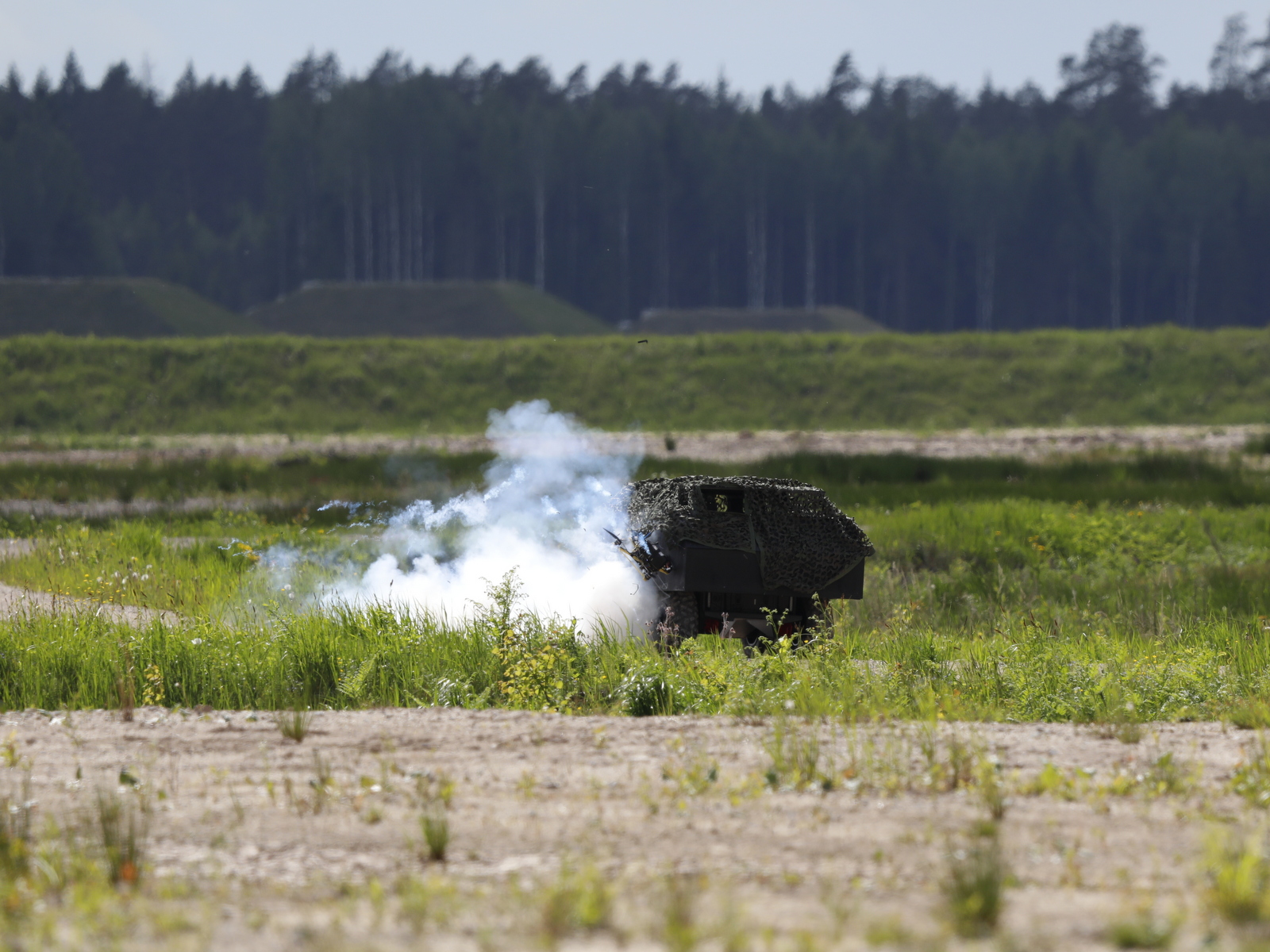
Drone technology is “a couple of steps ahead” of countermeasures, one officer said, with interceptors having to work every time to prevent losses.
The ongoing conflict in Ukraine has dramatically accelerated the utility and effectiveness of drone warfare, forcing NATO to rapidly adapt and develop countermeasures.
The technological gap between offensive drone capabilities and defensive counter-drone systems poses a significant threat to military operations and infrastructure, requiring urgent investment and innovation.
The perceived superiority of drone technology over current countermeasures highlights an urgent need for the Western defense industrial base to intensify its focus on developing robust and scalable counter-drone solutions.
- · Counter-drone technology developers
- · Defense contractors focused on EW/C-UAS
- · NATO member states investing in R&D
- · Traditional C2 systems
- · Forces reliant on legacy air defense without C-UAS
- · Unprepared military units
NATO recognizes and publicly acknowledges a significant technological gap in counter-drone capabilities, despite ongoing efforts.
Increased funding and strategic prioritization will be directed towards counter-drone research, development, and procurement across NATO nations.
The arms race between drone and counter-drone technologies intensifies, leading to rapid evolution in both offensive and defensive unmanned systems, potentially redefining aspects of future warfare.
This signal links to a primary source. Continuum Brief monitors and indexes it as part of the live intelligence stream — we do not republish source content.
Read at Defense News